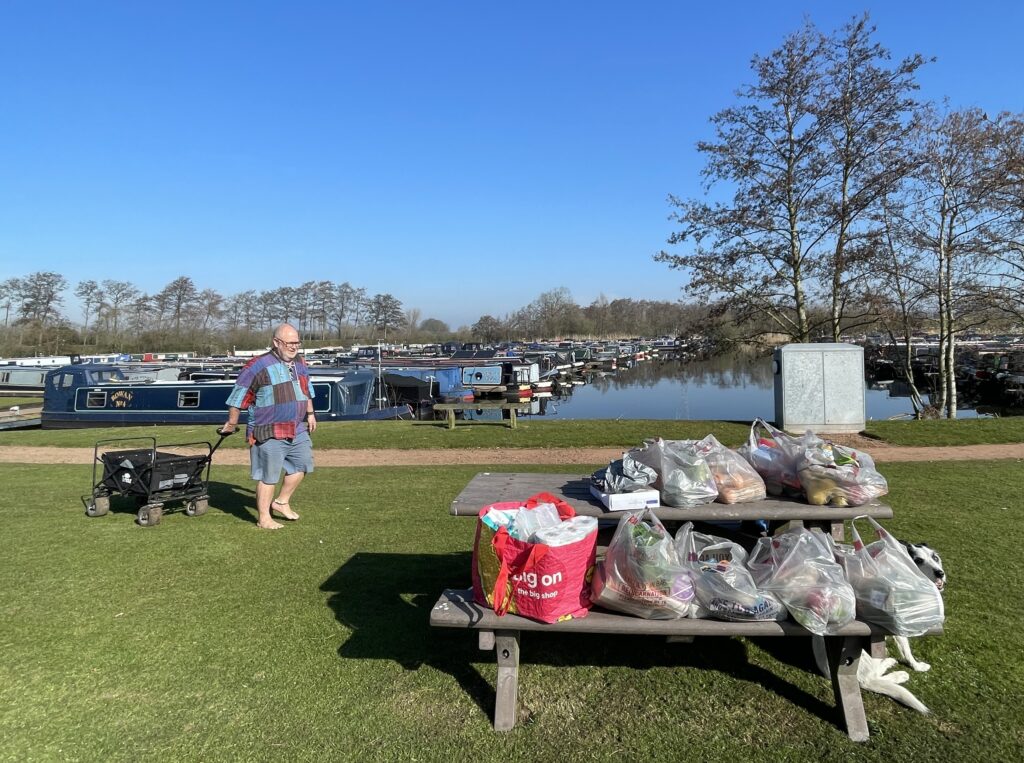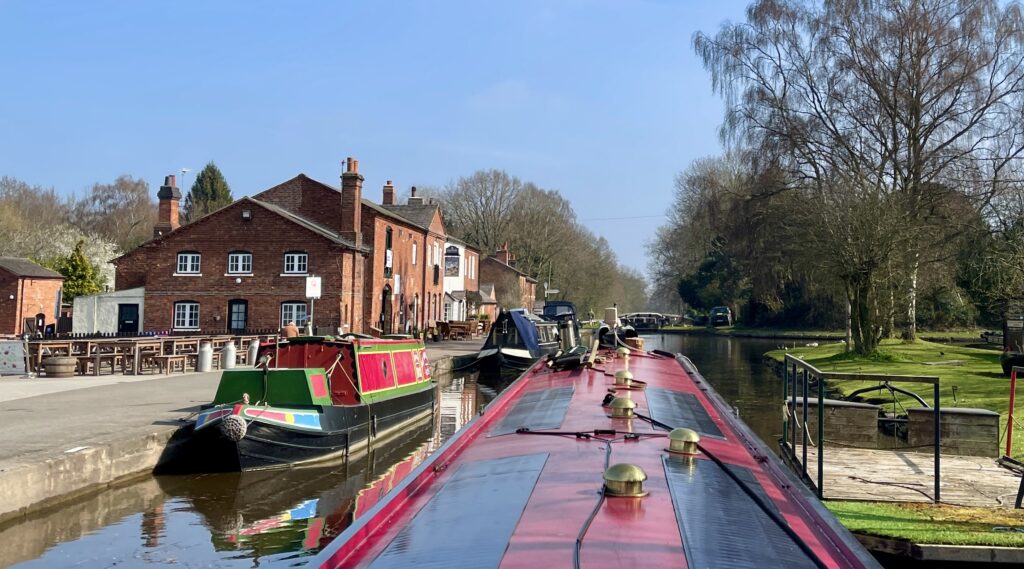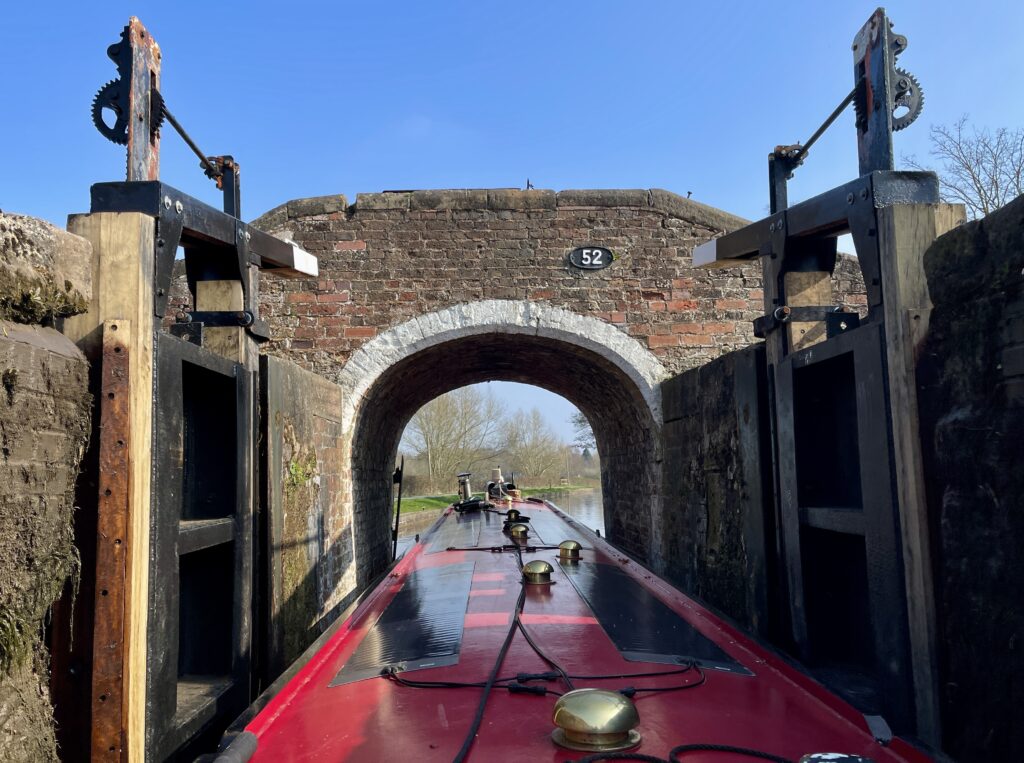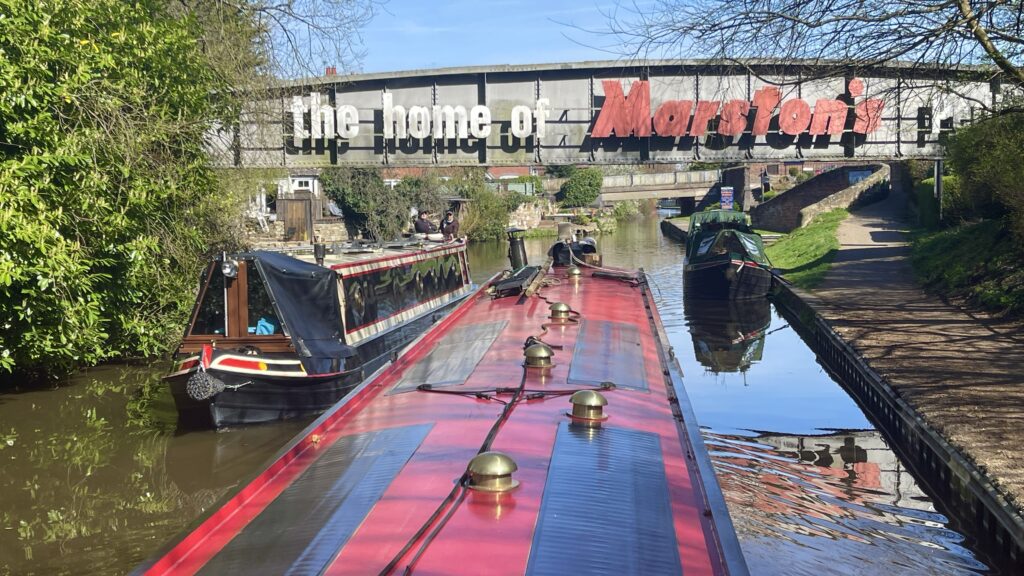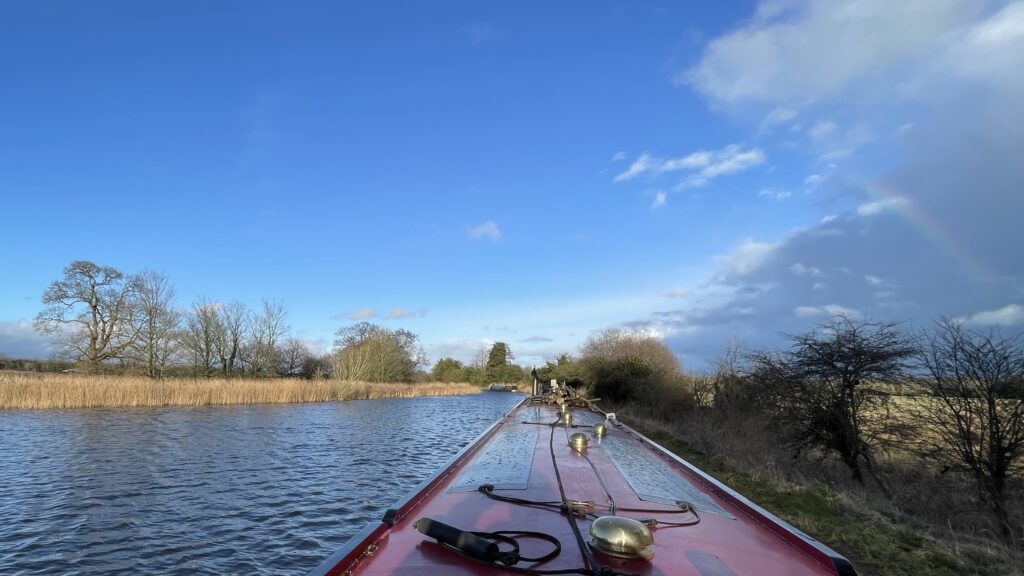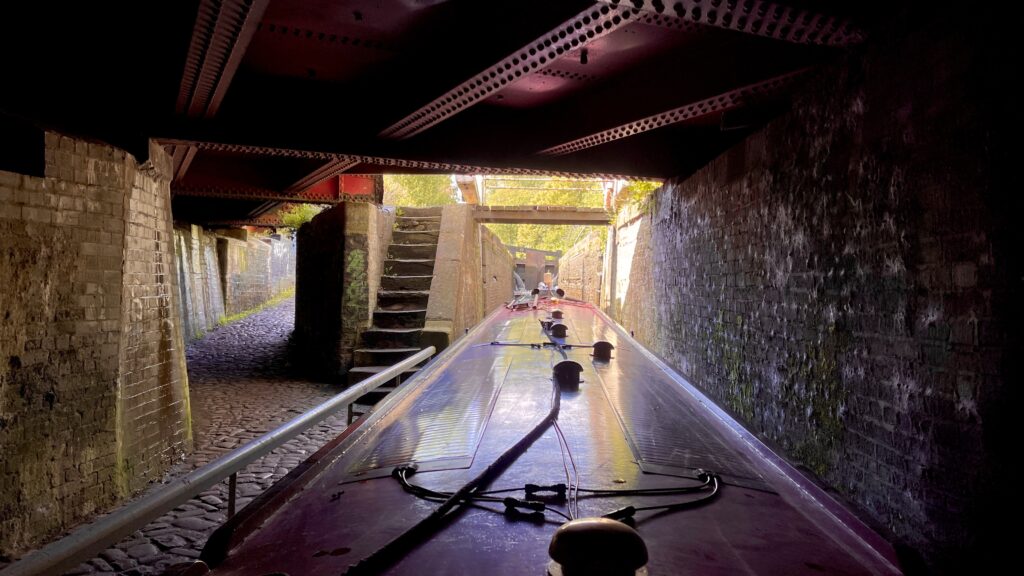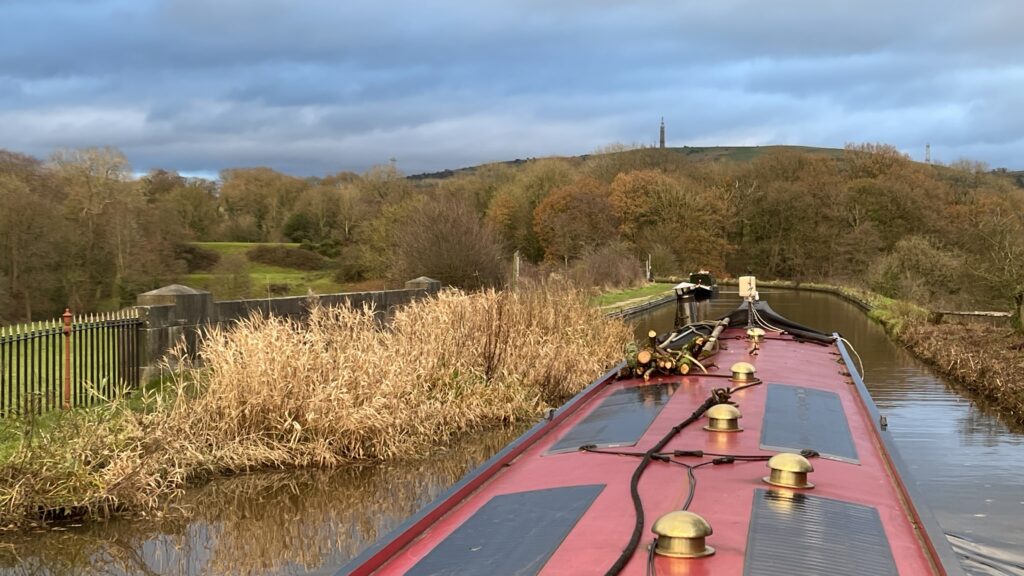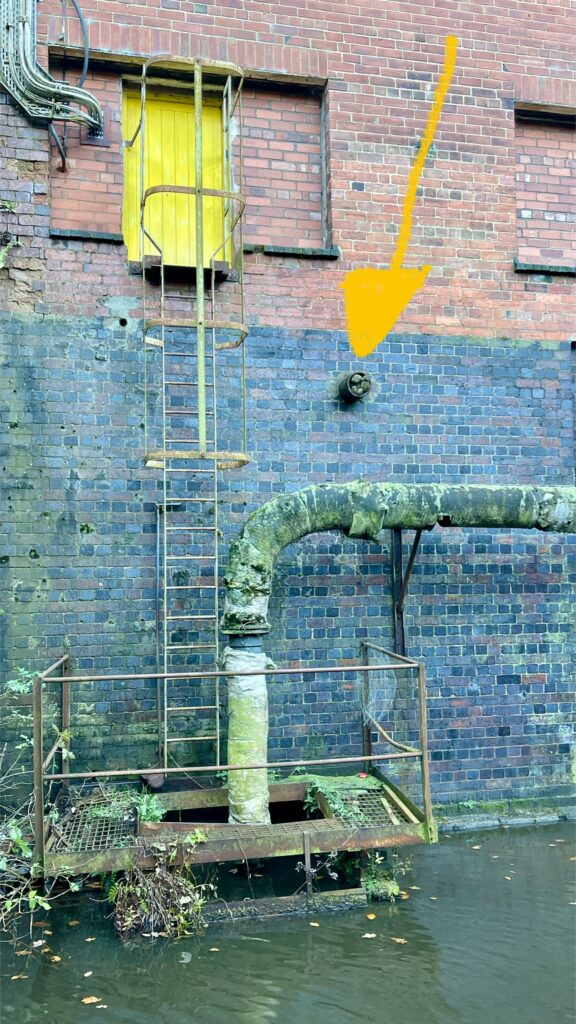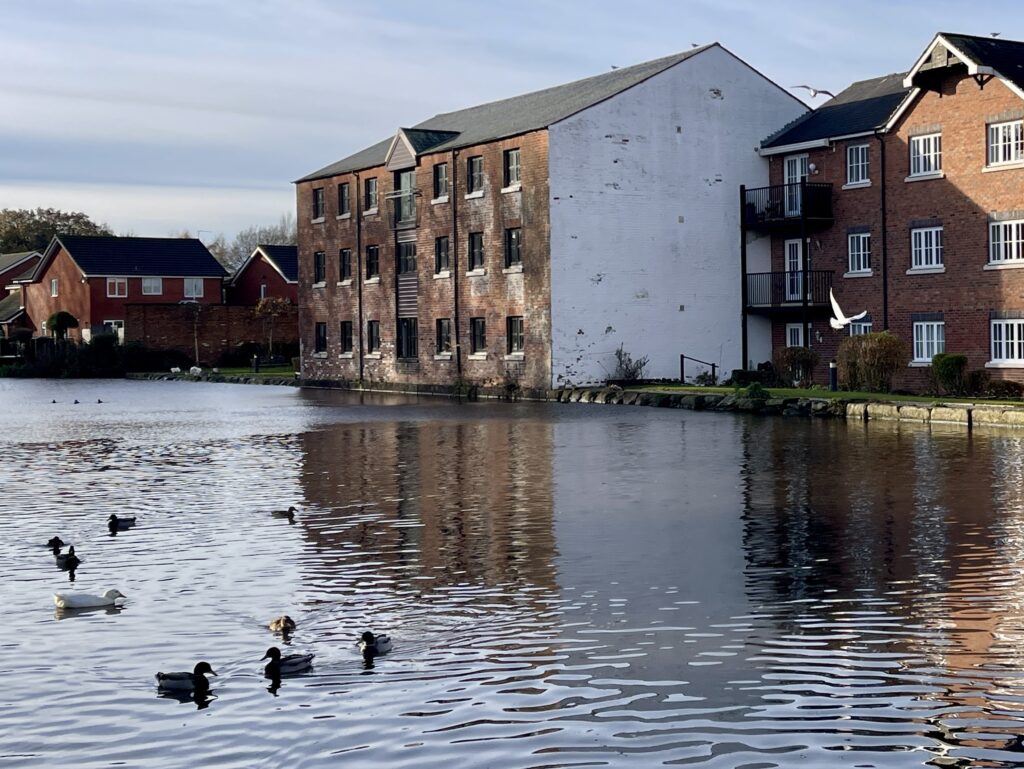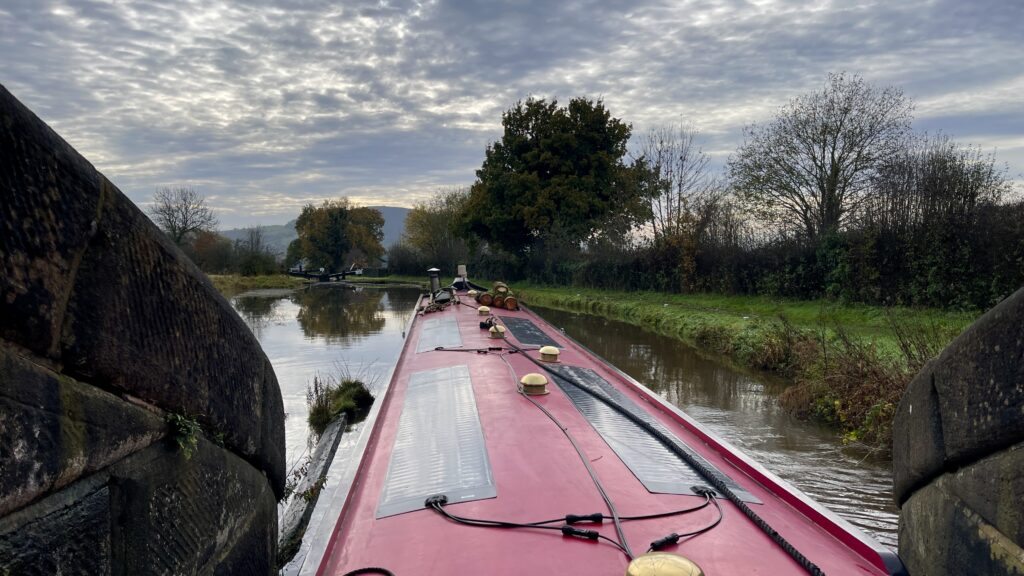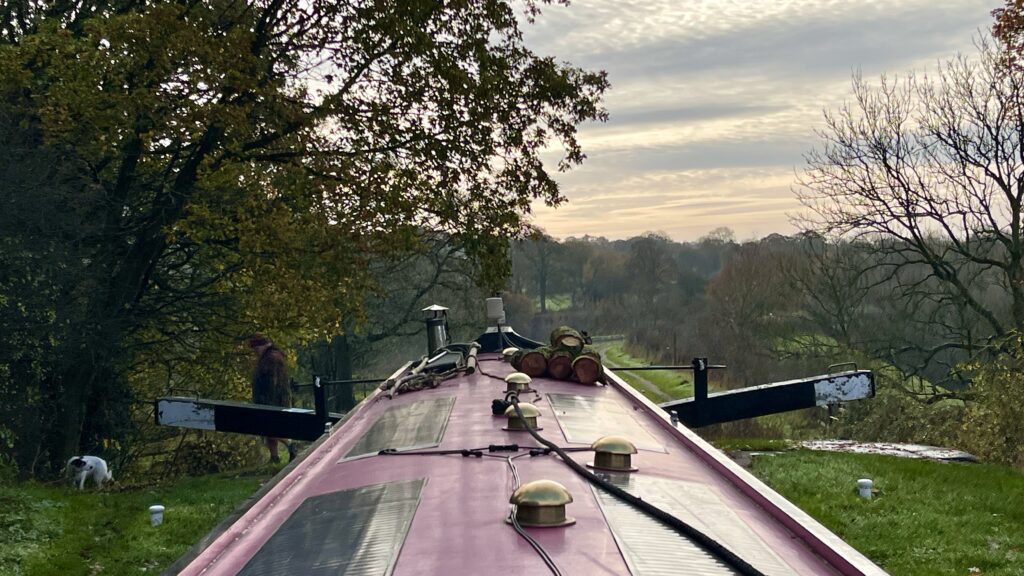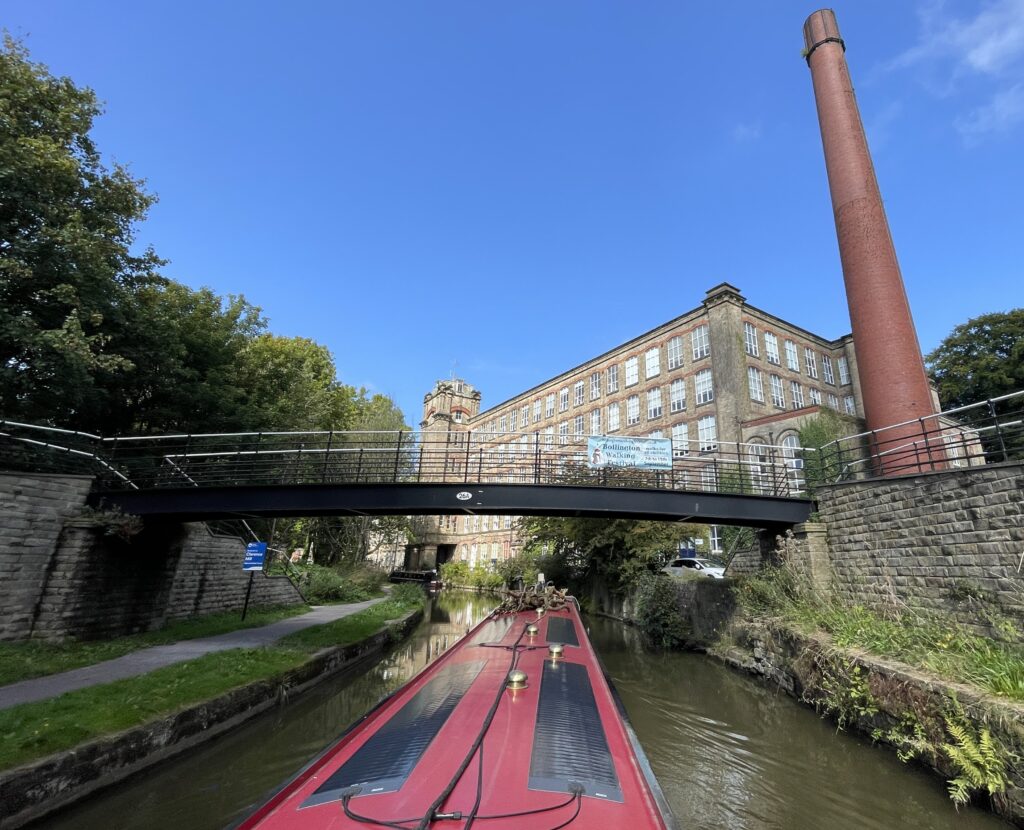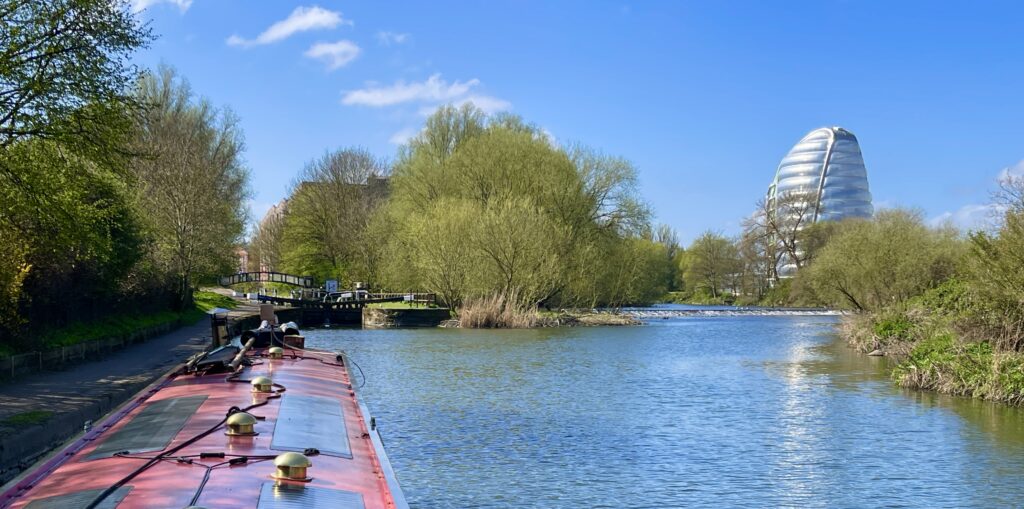
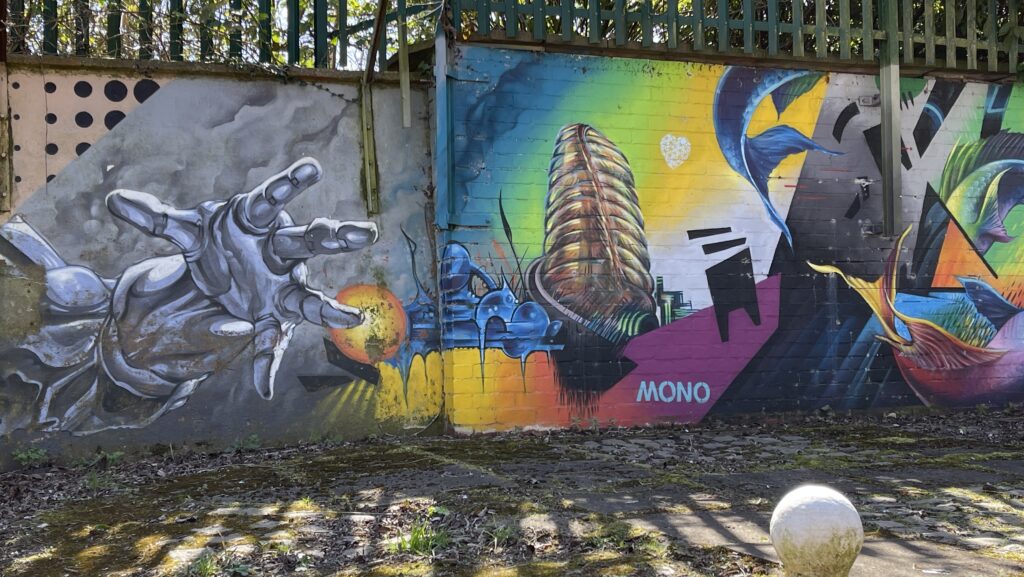
During March, we headed along the Trent, Soar and Wreake to join the Leicester Line of the Grand Union Canal (GUC). We passed through our old university town of Loughborough, stopping only to top up with groceries and use the services in the basin. We then cruised on to Leicester, where we pulled over at Castle Gardens. This secure pontoon mooring in the city centre is a great opportunity to catch a film at the cinema and pick up a takeaway. Moving on, we went through more industrial areas and were impressed by the murals that adorned the walls facing the canal (it’s a bit like marmite – you either love it or hate it). Seeing these long stretches of colourful graffiti made me wonder how tall some of the artists were and we hypothesised about the use of ladders vs cans with triggers on poles! 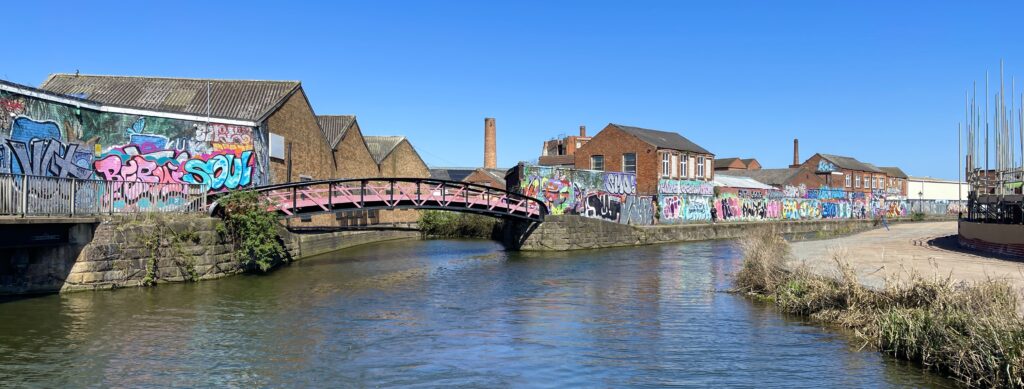

Skirting around South Wigston, the navigation provided us with a trip down memory lane as we used to live within a mile of this stretch. In 1988 (yes, that is a little while ago!), our first marital home was a rented flat above a chemist overlooking the inner ring road, quite a contrast to our current floating residence. It was close to the local school where I did my probationary year as a primary school teacher and Ian would drive his Peugeot 104 to work at Rank Taylor Hobson (of Rank Film fame) as a Research & Systems Engineer. On Google Street View the chemist is now a kebab shop with a store room above it.
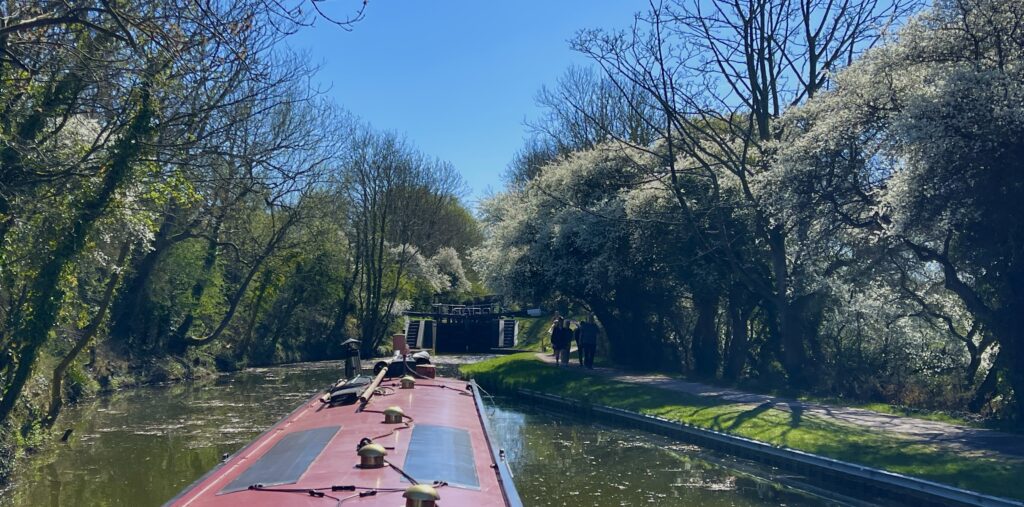

We lived in Leicester until 1993, and I even recall doing jury service at the crown court, which was quite an experience, especially as I ended up drawing the short straw by being the Foreman of the Jury (and no, it wasn’t anything newsworthy!). We did cruise around here as a young family on our first share boat, but that must still be over two decades ago, and it is great to see the regeneration that has taken place during those intervening years.
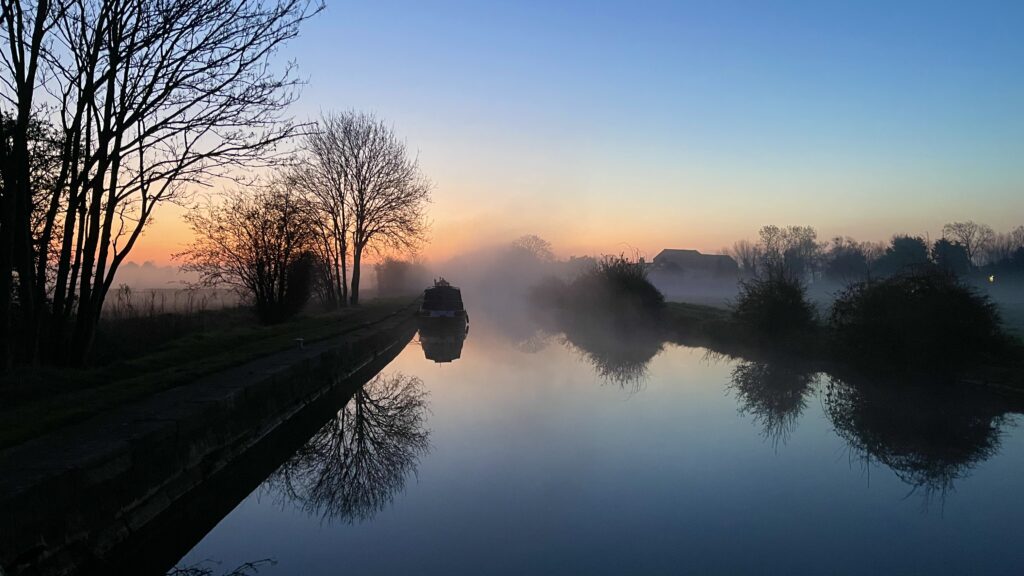
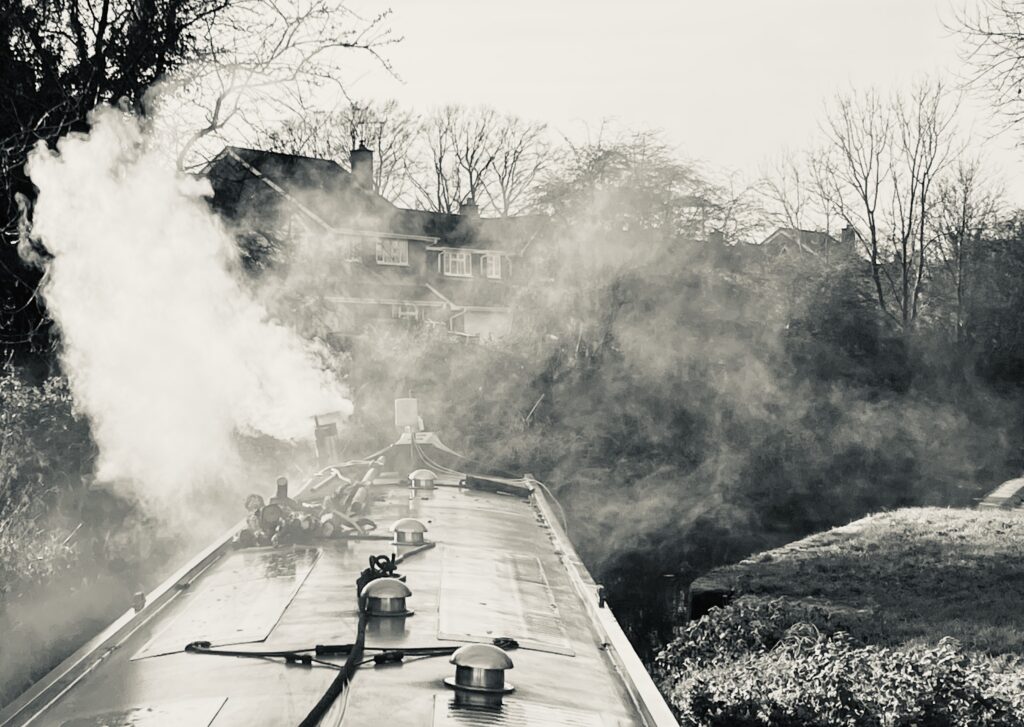
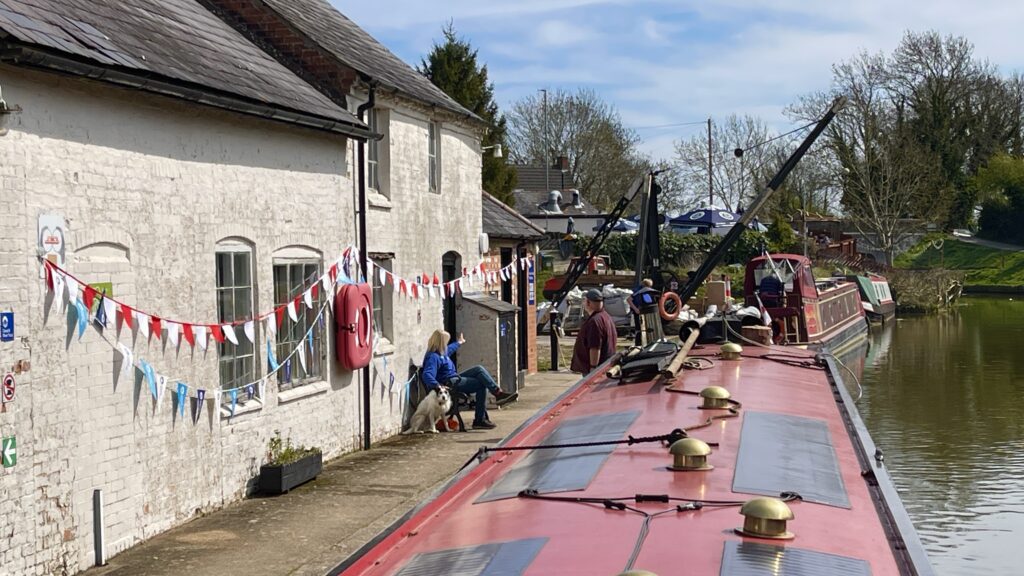
Getting back out into the countryside is quite a treat after all those buildings, but unfortunately we ran into a little boat trouble. No, the tiller didn’t fall off this time, the throttle cable snapped as we were manoeuvring into the last lock of the day at Newton Top Lock. Luckily, as the gear cable was still intact, we could limp out of the lock on tick over. We then spent the night moored opposite a nesting swan, waiting for the River Canal Rescue (RCR), the waterways version of a break down service, to find us and repair the damage.
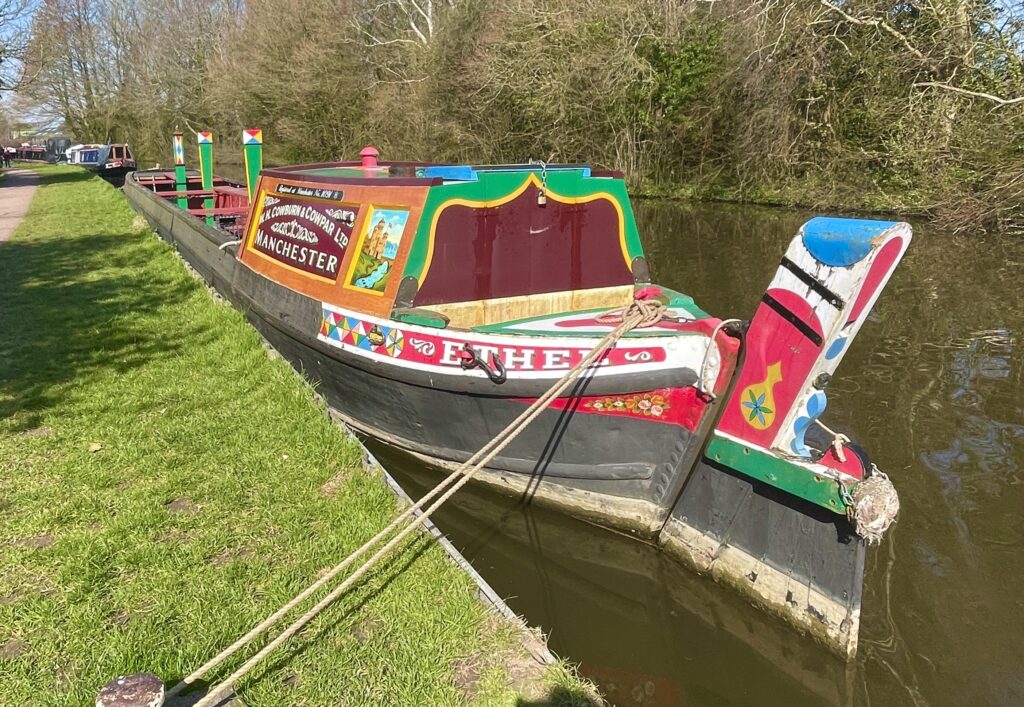
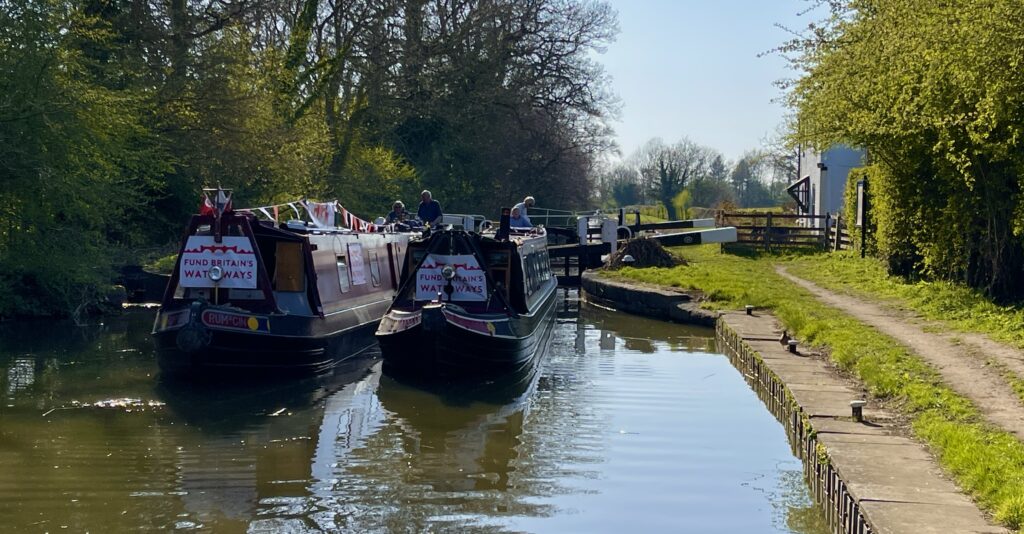
Earlier, when we stopped at Kilby Bridge for water we heard that there was a flotilla of boats following us. That evening, they caught up with us. The Fund Britain’s Waterways Campaign Cruise for 2025 are running several cruises throughout the year and you can follow their journeys on their Facebook group – Fund Britain’s Waterways – Cruises for 2025 . They’re heading to London to sail past the Houses of Parliament and raise awareness of how the cuts to the government funding are affecting this national treasure.
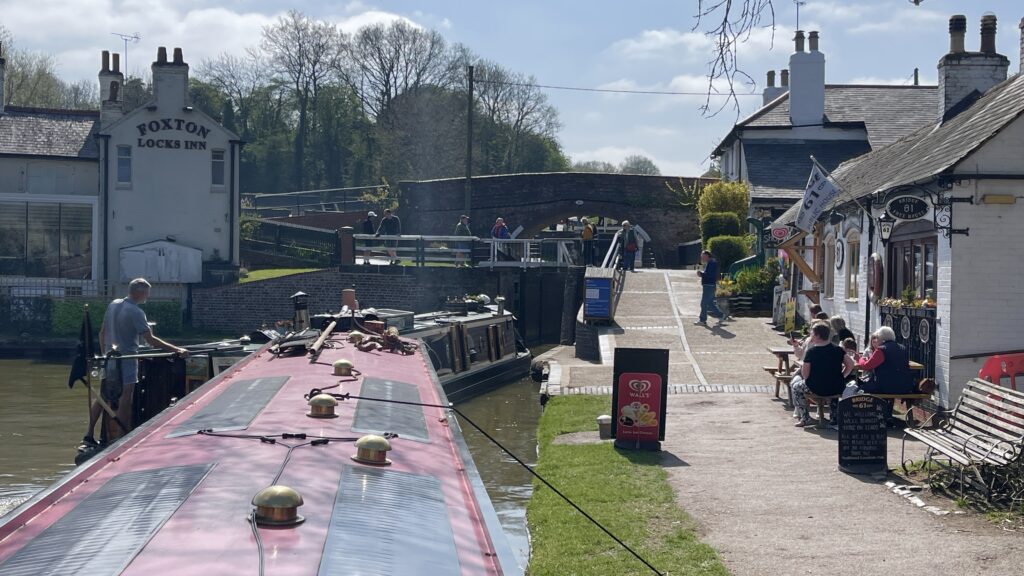
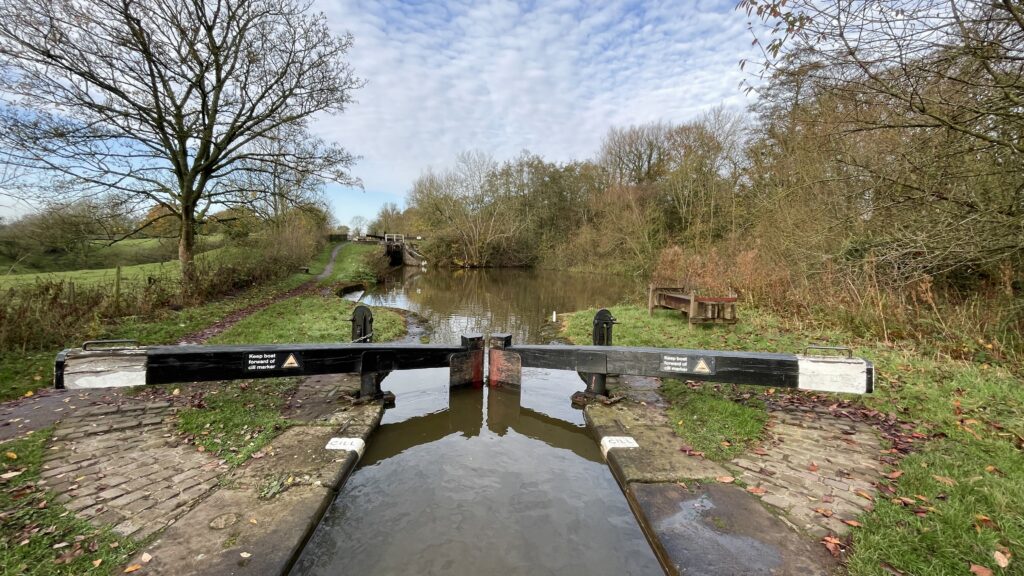
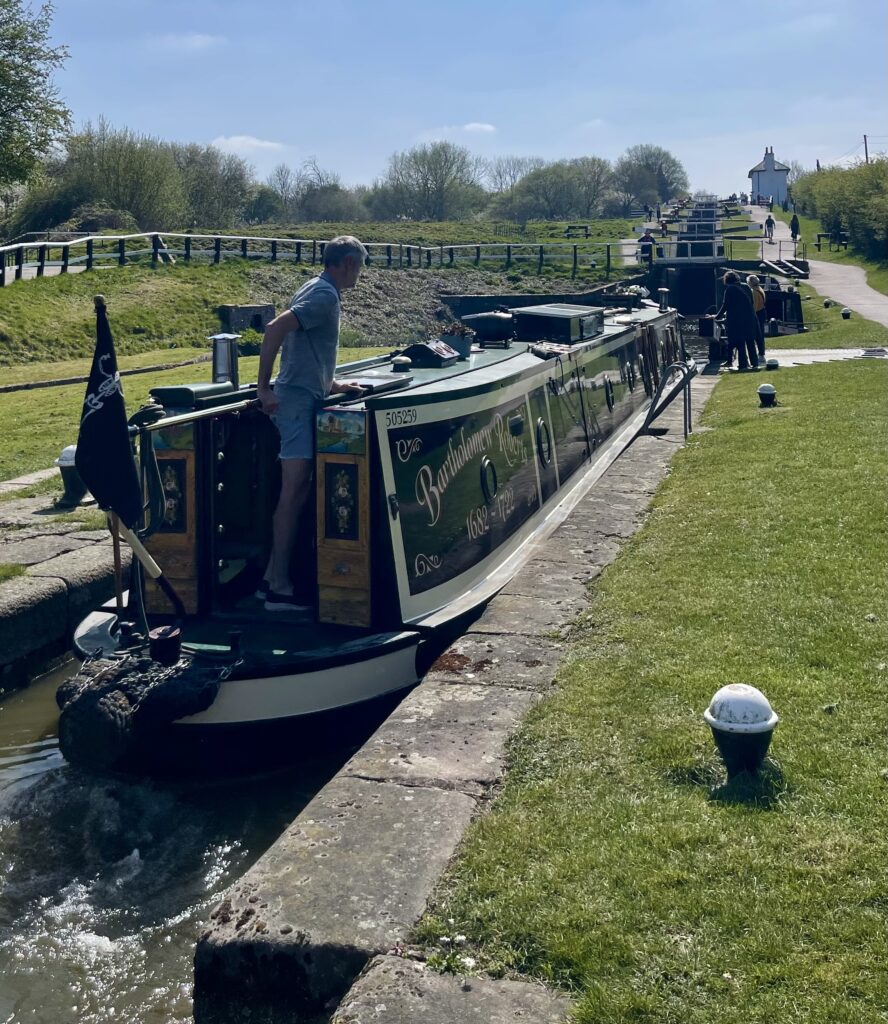
Thankfully the sun continued to shine, Dan from RCR did the fix and we headed on to Foxton Locks. Apparently with a height rise of 75ft (23m), these are said to be the longest staircase locks in the world and get 400,000 visitors every year. According to one of the lock keepers, they’ve had as many as 40 boats pass through in a single day. When it is that busy, this is usually achieved with a system of 4 up and 4 down. We were fairly lucky and only had to wait for one set of descending boats, but if the queues are long you can be waiting for hours.
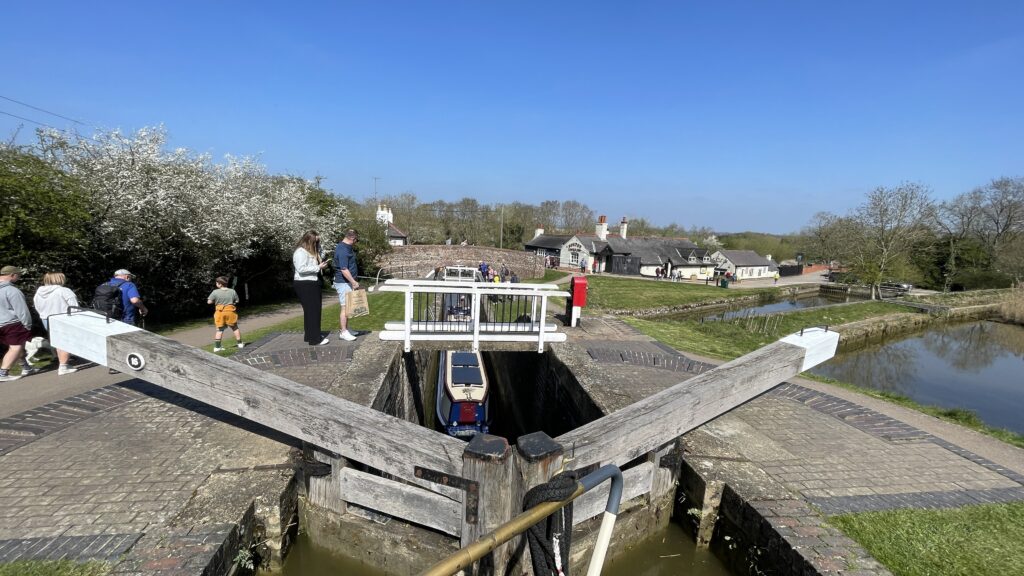
Normally it would take us 2 1/2 hours to pass through 10 individual locks, but we did these in just under an hour. Admittedly we had help from some gongoozlers and their grandchildren, but it was all managed at a steady pace, and at the top, the children were given certificates by the real Lock Keepers for being brilliant lockies.
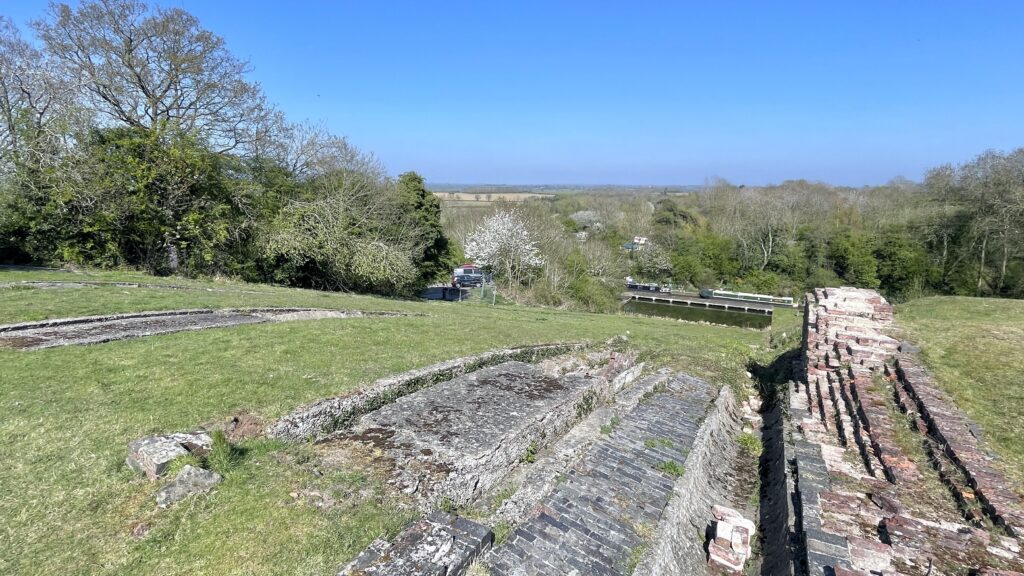
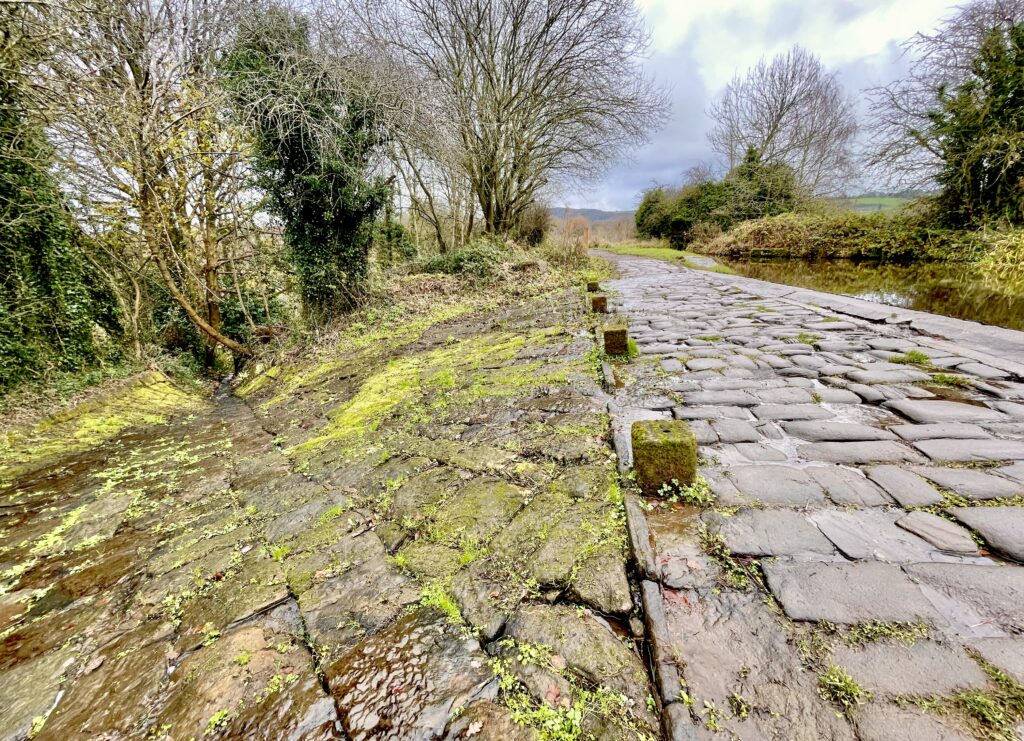
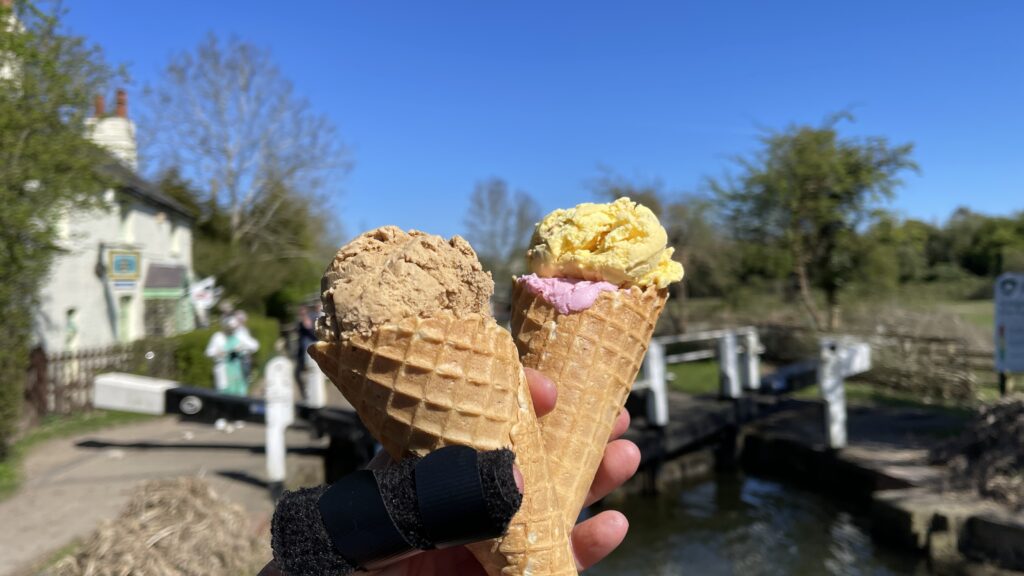
We moored up at the top and wandered over to grab an ice cream (resistance is futile). Then we went to see the remains of the Inclined Boat Lift. This engineering marvel was built to allow wider working boats to transition the hill and used a pair of caissons, cables, pulleys and a steam engine to simultaneously move either two narrow boats or one barge up and down the hill in 12 minutes. Each tank was full of water and weighed 230 tons with or without a boat. The gradient was 1 in 4. Unfortunately the boat lift only lasted for 11 years as it proved to be uneconomical to maintain and in 1928 it was sold for scrap metal.
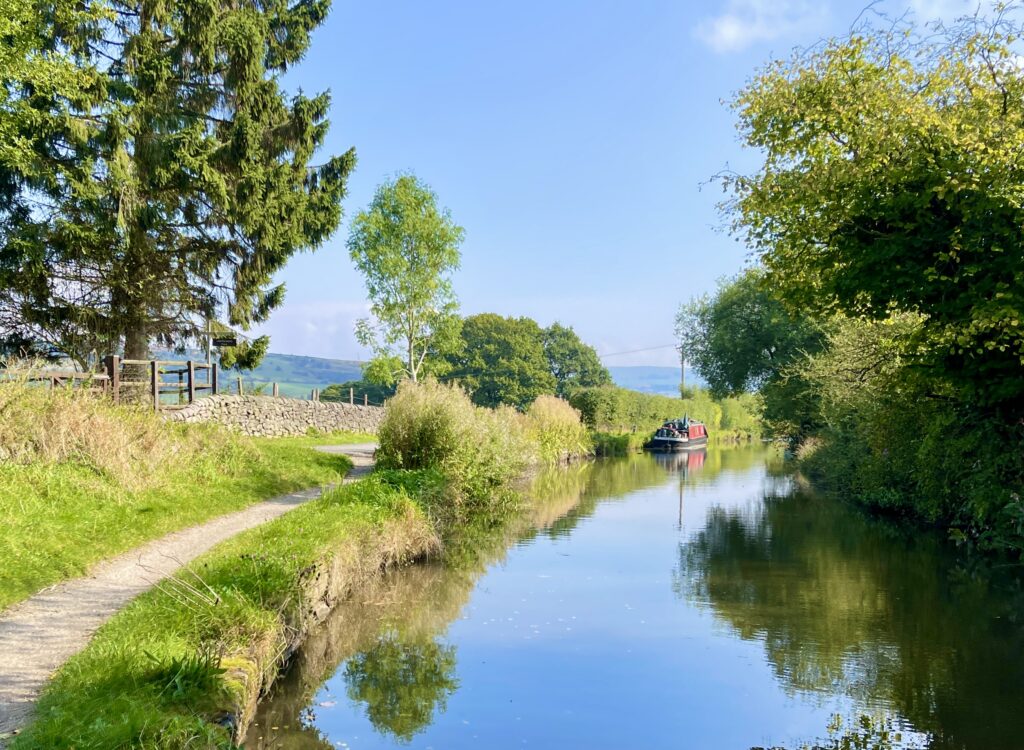
There are no more locks for us for a while as we’re heading to a marina to abandon the boat for a few weeks. We’re jumping ship onto Hollie the motorhome for our next adventure. Let’s hope this beautiful weather holds for us!