Popping into the Peaks

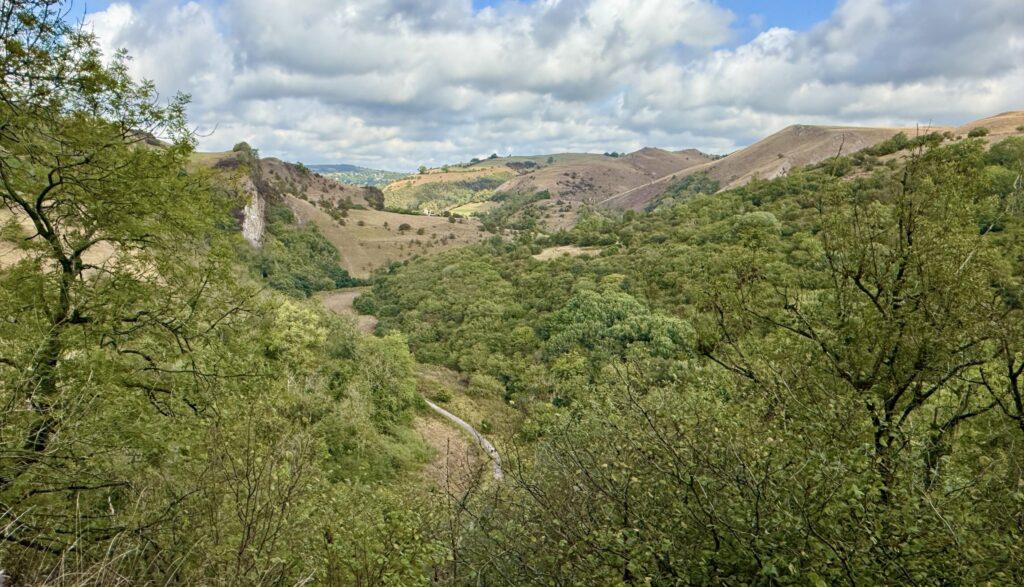
Manifold Valley from Thor’s Cave

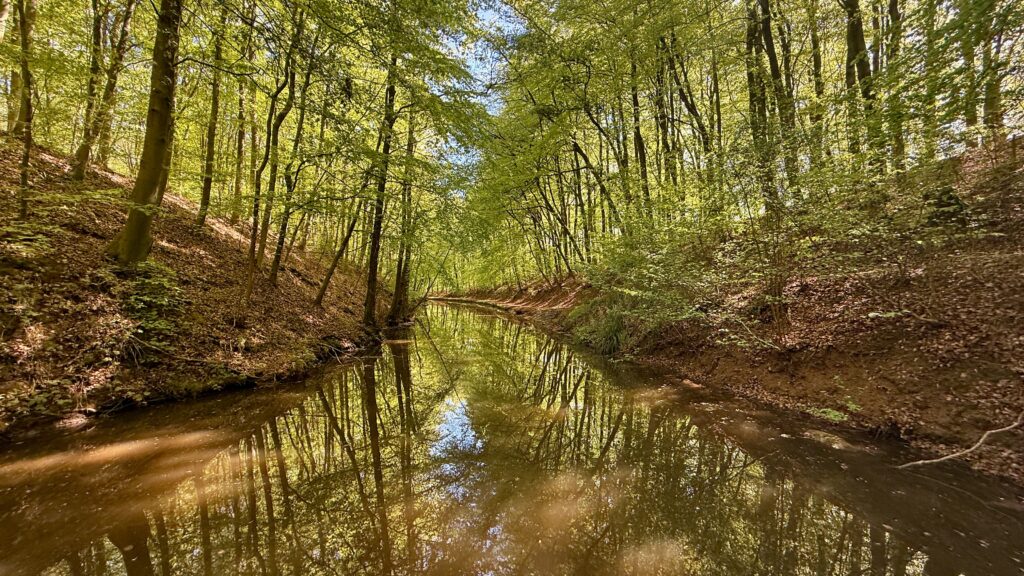
We had a few days to spare so decided on a quick trip to the Peak District National Park. It’s an area that we visited often in our younger years but haven’t explored much in the last few decades!
Starting off on a site near to Longstone and the Monsal Valley we watched the end of the summer heatwave as thunderstorms swept along the valley straight for us. So we battened down the hatches and waited for the rain to pass. 
Ian did a nice wander across to Monsal Head and then back along the Monsal Trail, a disused railway complete with tunnels and viaducts.
The Millers Dale Lime Kilns

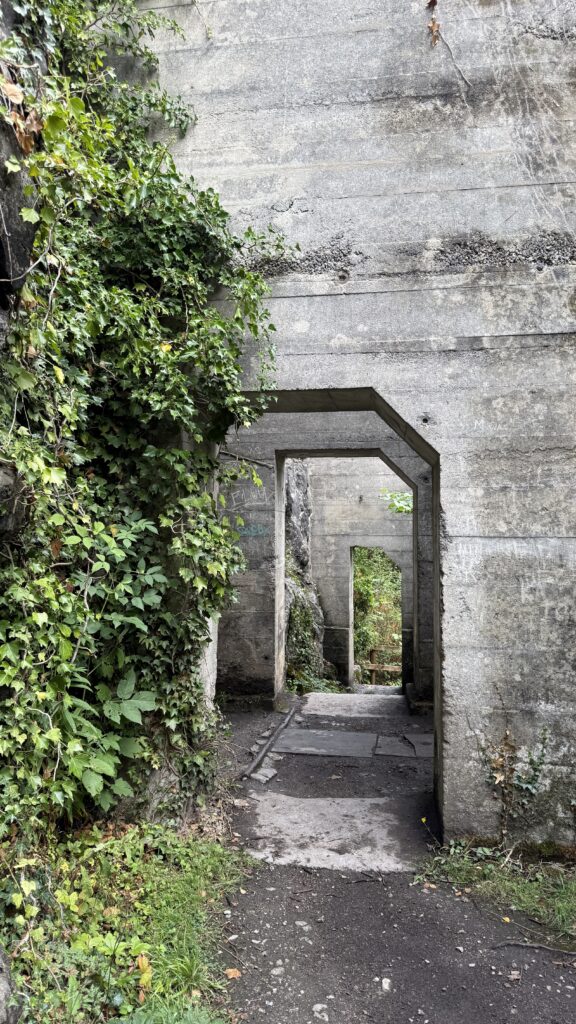
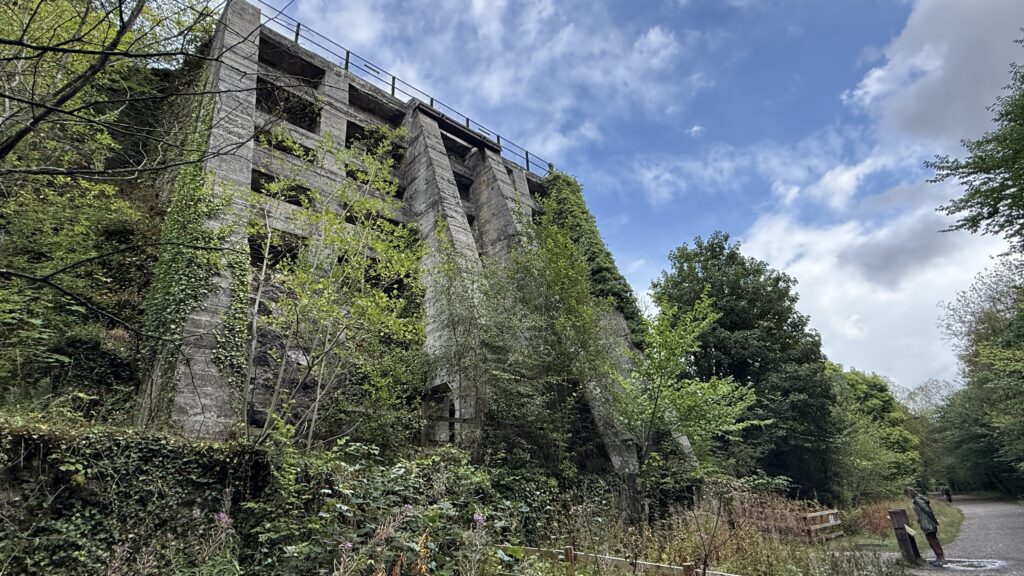
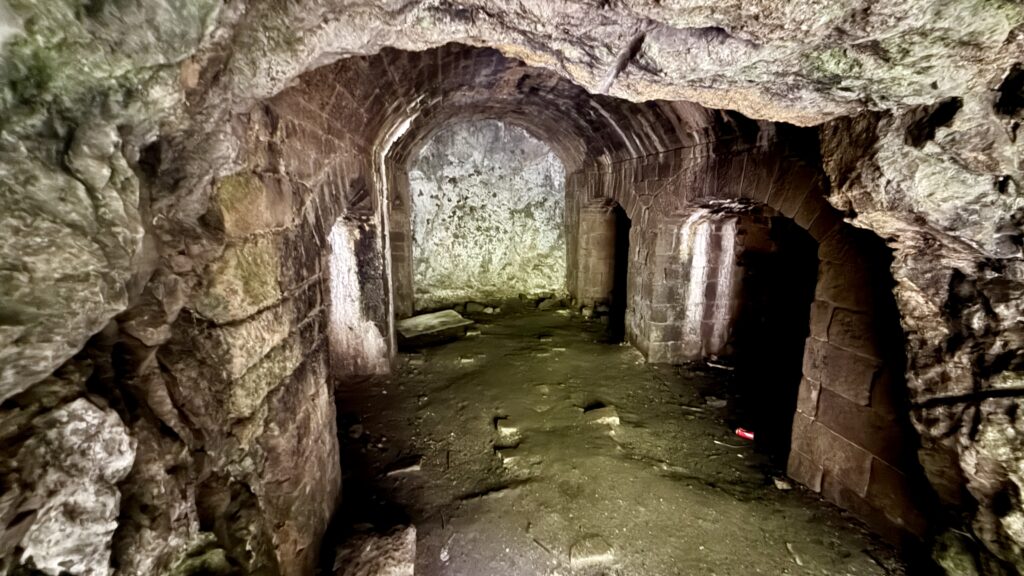
En route to our next camp site we pulled in at Millers Dale to do another short section of the Monsal Trail. Just along from the old railway station are some rather imposing and very modern looking concrete lime kilns that you can walk in to. Built in the late 1800s they burned local quarried limestone with coal brought in by the railway at temperatures exceeding 900°C to produce quicklime for agriculture, steel, and chemical industries. They only stopped using them  in 1944.  
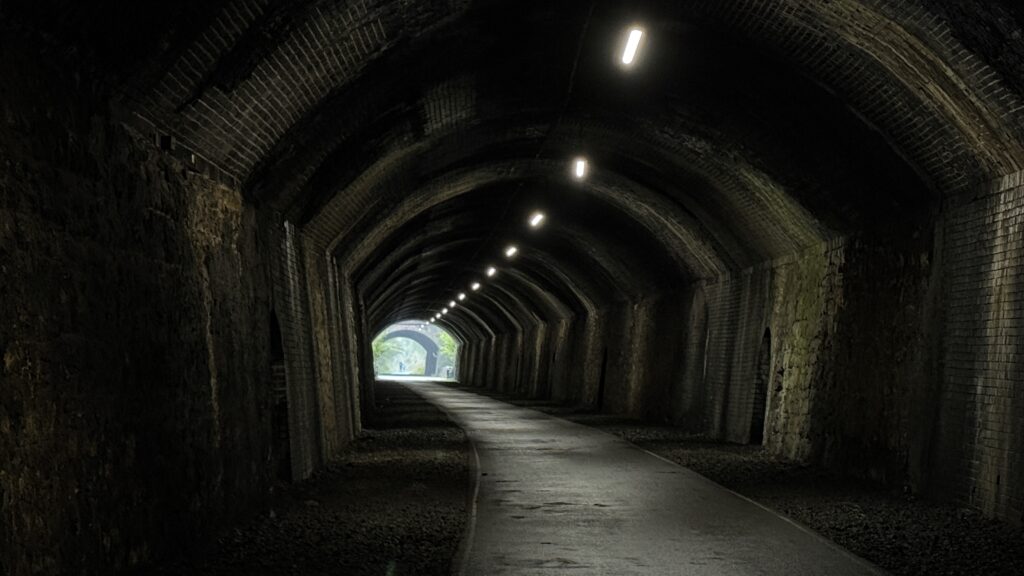
We then walked through a couple of rather soot-lined tunnels. It was weird and a little creepy that the soot looked quite fresh. Then we dropped down into the valley to do a stunning little “walk” (it was more of a scramble) beside the River Wye (not the one in Herefordshire!).
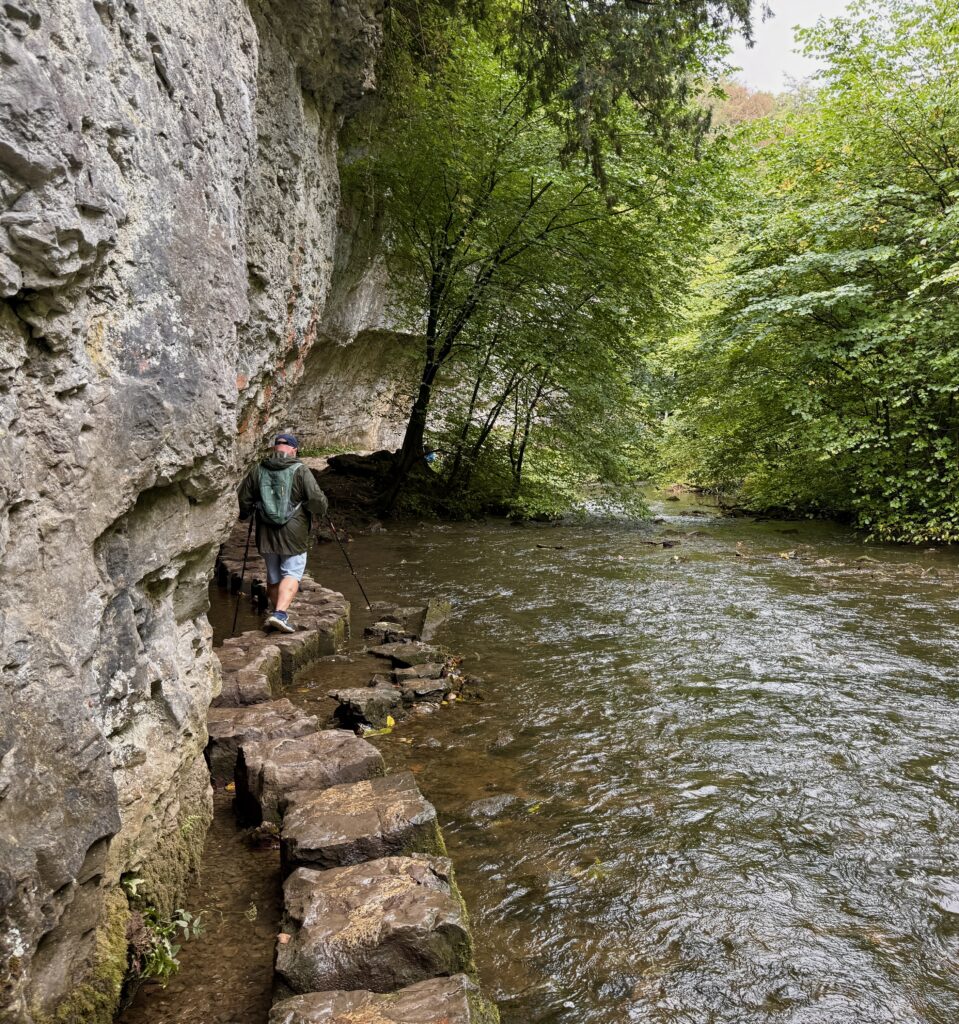
The route took us from Millers Dale to Chee Dale and back. I loved the stepping stones that skirted around the overhanging limestone rocks and marvelled at the climbers on the cliff face, which brought back fond memories of our younger selves in days gone by (sigh). It was just after this point that the heavens opened … again, and the rest of the hike was more of a drenching. We really did look like a pair of drowned rats by the end of it and glad to get back to the van for a brew and a change of clothing!
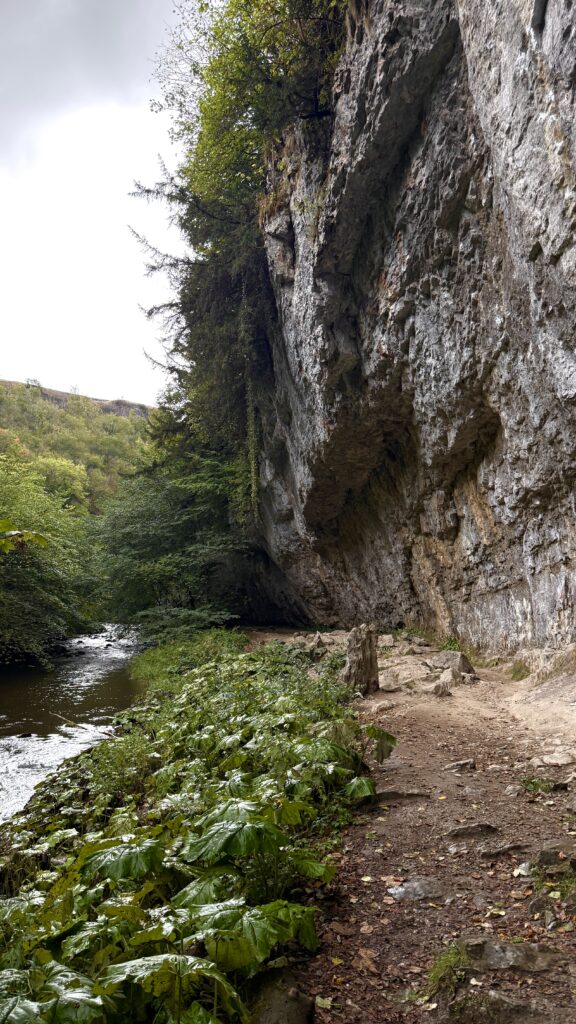
Limestone cliffs along the River Wye

Our next stay was at a very basic campsite in the Manifold Valley right beside the river. It was  literally two big grassy fields, a water tap and a rubbish skip (there were some porta loos but they were a long way away, a bit of a challenge if you wanted to get there in time!). It was cheap and cheerful and perfect for finding peace and tranquility.  It also turned out to be a brilliant base to head off along the Manifold Valley Way.
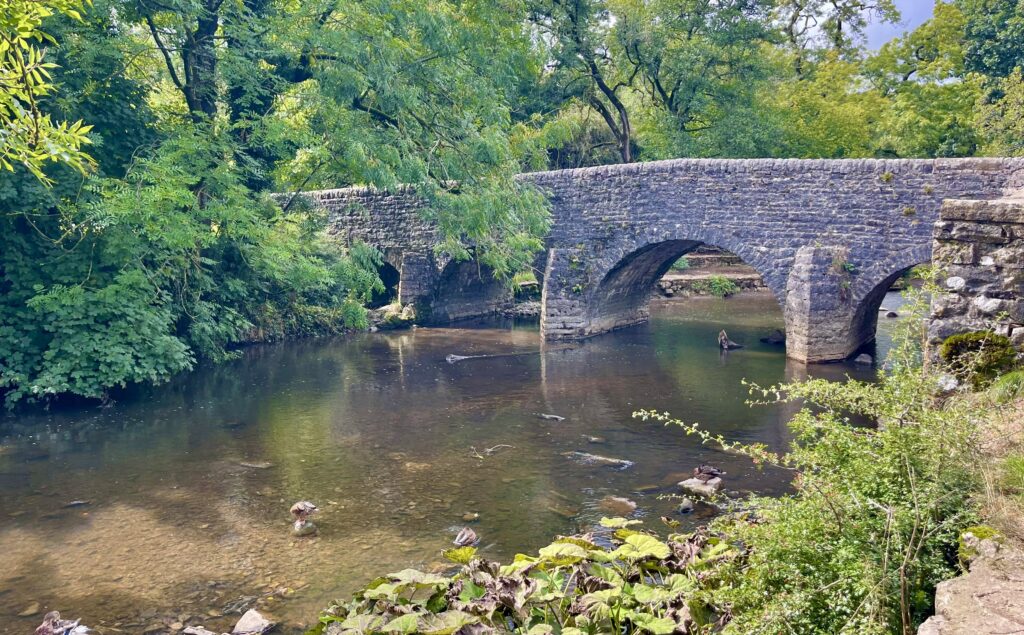
River Manifold at Wetton Mill Bridge

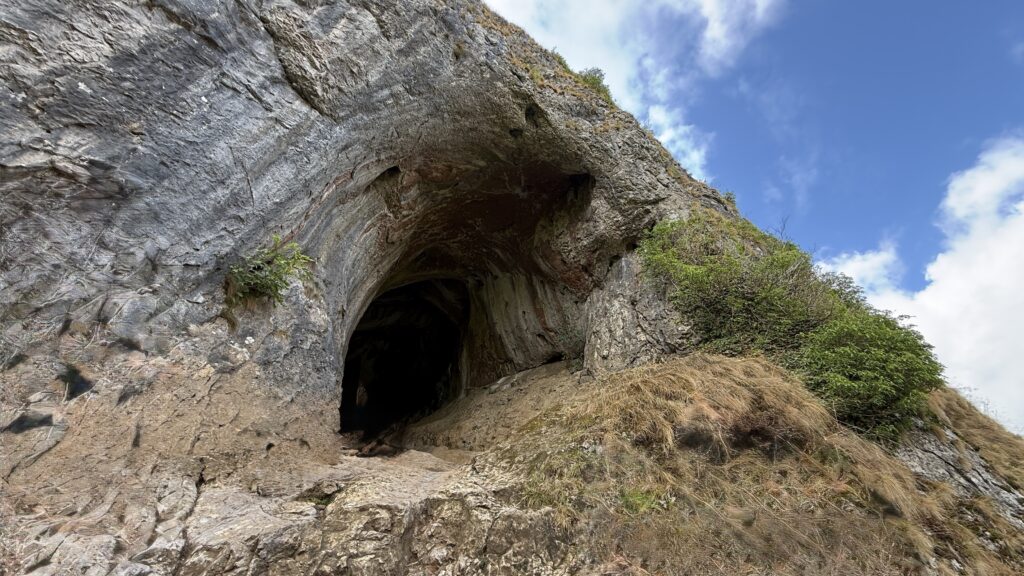
Not wanting to get drowned in the rain again, we waited for a day that promised sunshine before joining the path along the valley to reach Thor’s Cave. This is a huge natural cavern, and has been featured in films and on album covers (The Verve 1993). Archeologists have found  7 burials and evidence of occupation from the end of the Palaeolithic to Roman times, now it’s just a haven for tourists and climbers!
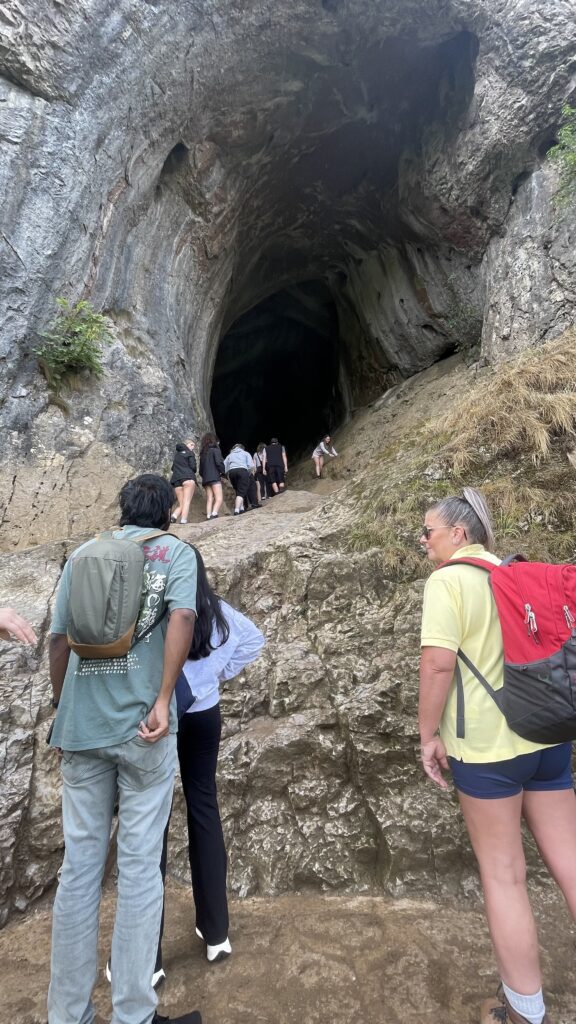
Cave with tourists
Thor’s Cave (without tourists-removed by AI)


This particular walk was rather monumental for me, it was nearly 5-miles and involved a steep ascent up to the cave. That might not sound much to you, but it’s the most demanding walk that I’ve done since getting my new knees and it felt wonderful.
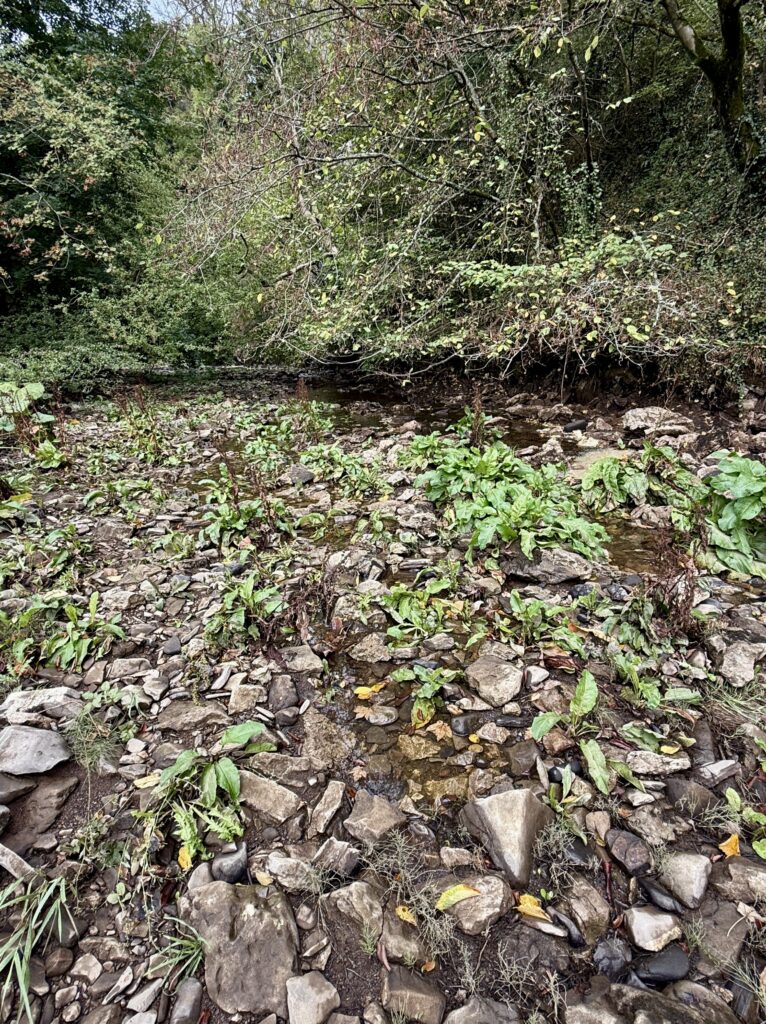
 
Where the river disappears 

As we headed back to camp, we sneaked across a field to find the location where the River Manifold just simply disappears into the bed rock, something I’ve never seen before. It happens just downstream of the Wetton Mill Bridge (pictured above), the water just seeps away through porous limestone via sinkholes and swallets and doesn’t reappear until it reaches Ilam, about 5 miles away.
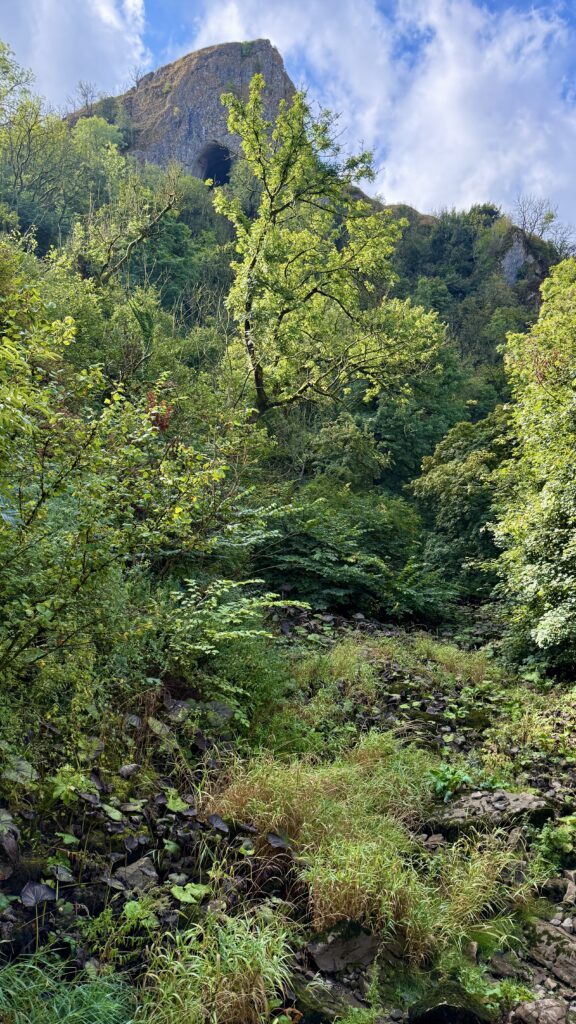
The dry riverbed below Thor’s Cave

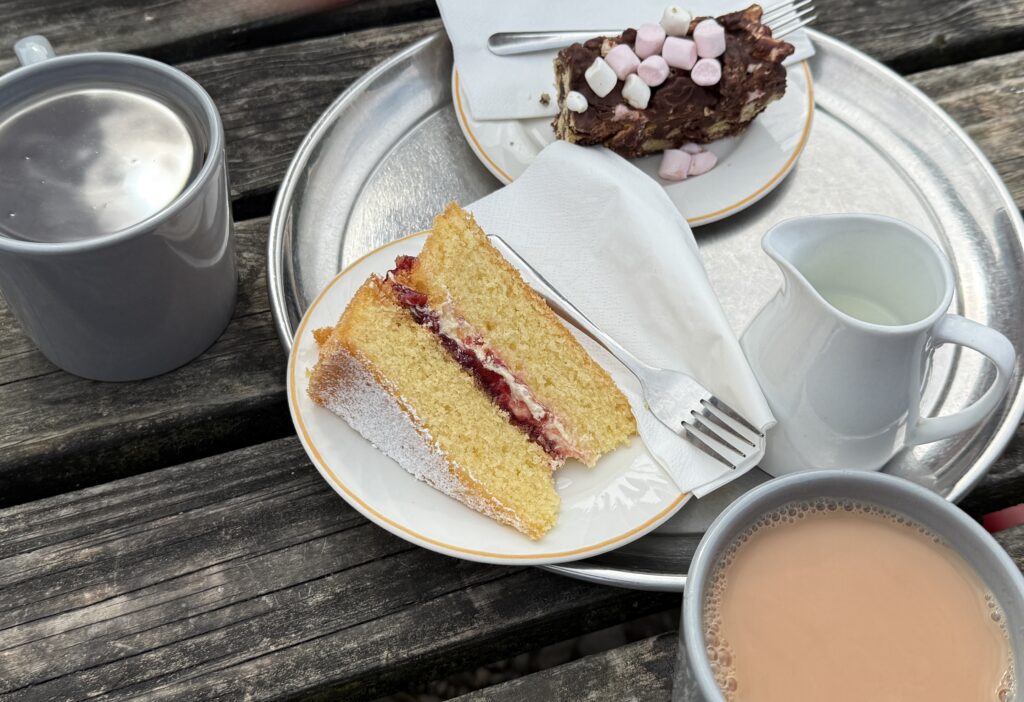
And after that revelation we simply had to have an afternoon tea at the café, it would have been rude to just walk past.
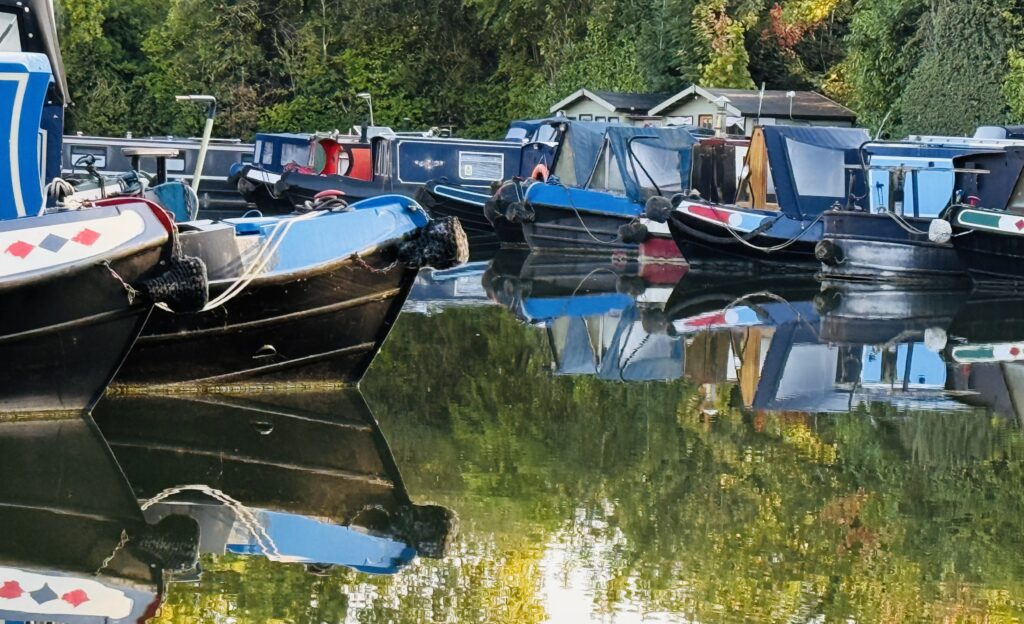
Back on the campsite, the river was looking very tempting but the access wasn’t, so we only managed refreshing cold dips rather than swims. If we’d been here 326 million years ago, it would have looked more like the Bahamas and we’d have been diving into a lovely warm tropical sea! How times change (ha ha)
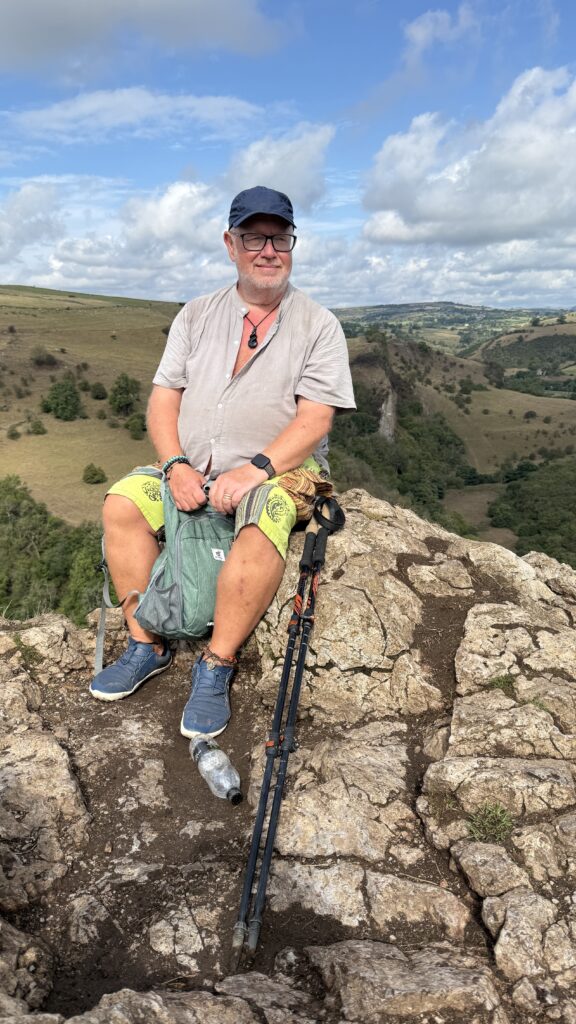
Mr B on top of the World (with his shoes on for a change!!)

A Dash Down the K&A

Newbury Manor Marina

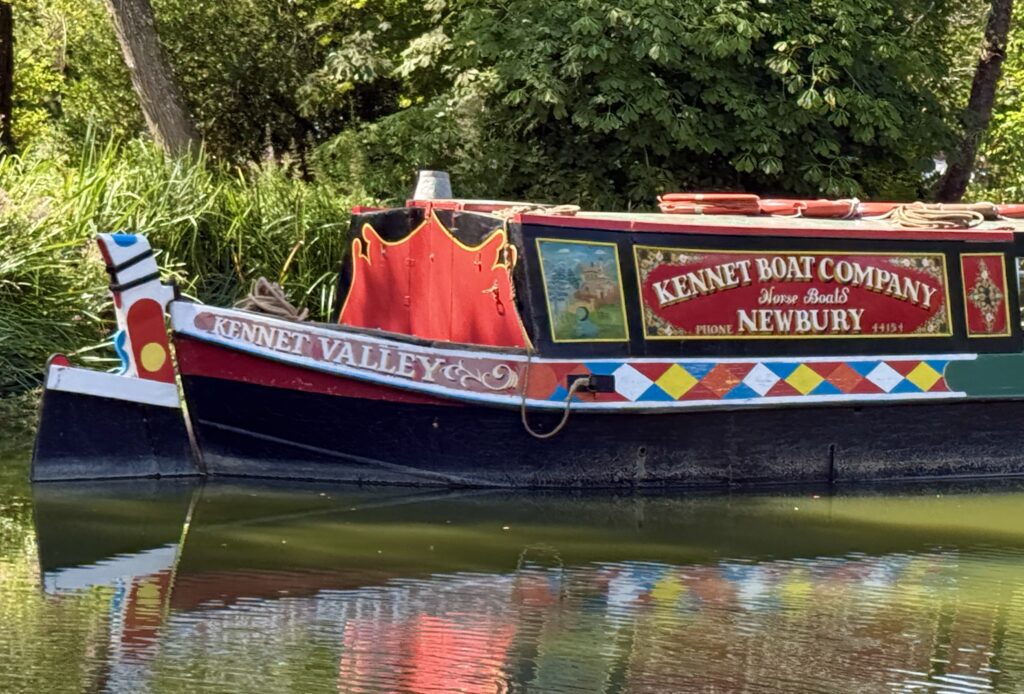
With the hot weather burning down and turning the top of the boat into scorching metal, we set off early each morning with coffees, 2 pints of squash each and layered up with sunscreen and insect repellent. Sadly, those glasses of squash kept turning into protein shakes as the midges loved to bathe in them! We were heading out from Newbury Manor Marina (which is also where we bought this boat in 2009) on what turned out to be a big marina hop.

The natural edges of the K&A

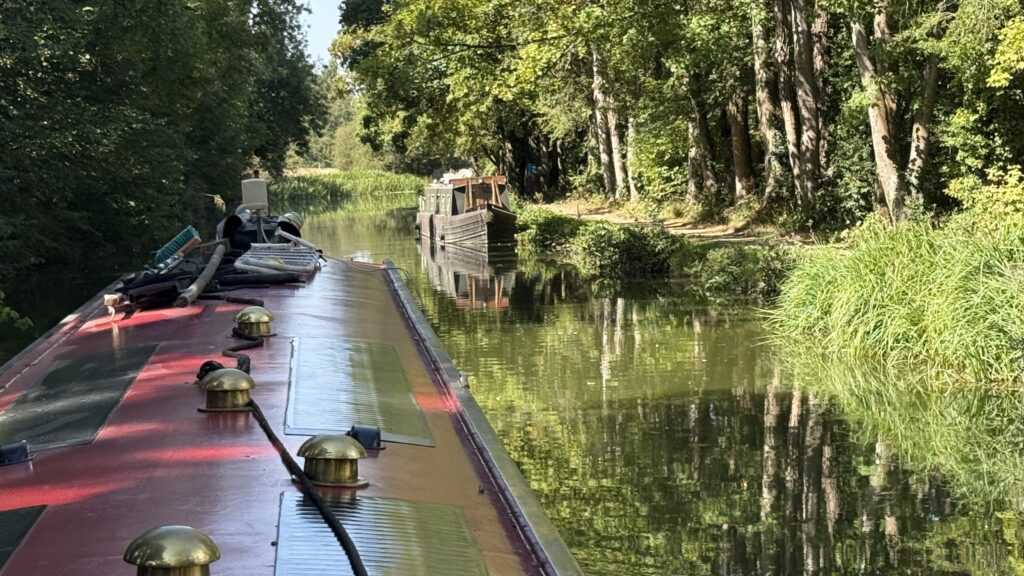
The K & A has a very natural feel, with shallow edges and reed beds which look lovely for spotting wildlife but not so good for mooring. The shallow sides also make you liable to run aground when passing other boaters and having to use a gang plank when you moor up for the night. From past experience, we also have a scythe to create a safe nettle free zone around the gang plank. This allows sting free access the boat, especially for those of us with bare feet.

Sharing wide locks really helps

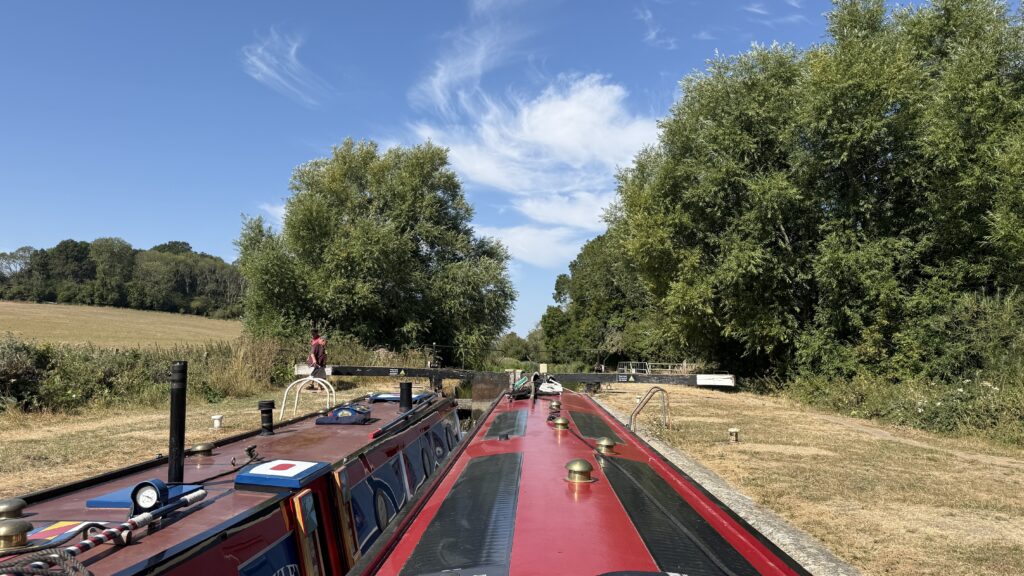
Mooring challenges are one reason some people will just avoid this canal. Some will start onto it and then turn around at the first winding hole. The locks are big, heavy and sometimes a little cranky (pardon the pun) but if you’re lucky, like we were, you get to share several of them with a friendly boater or find some lovely CRT Volunteers to help you out. Pairing up with another boat is especially helpful if you find a leaky lock that needs at least two if not three people to open it!

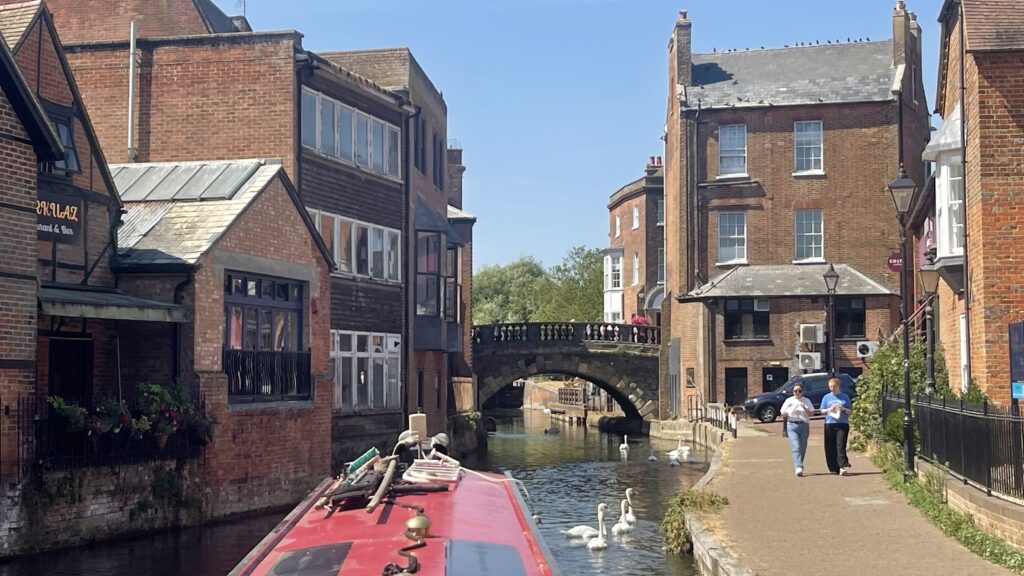
Approaching Newbury town centre

We had a decision to make on this leg of our travels. Over the next seven months we have a lot of land-based trips planned which would mean either finding short term moorings or leaving the boat unattended and having to zap back to move it every two weeks (we have a continuous cruiser license). This was going to be challenging and there was a much easier (but slightly expensive) option, to take a winter mooring in a marina for seven months!

The Horse Trip Boat at Hungerford

It would be the first time in over four years that we’d have a permanent base and be able to use our car instead of relying on our feet and public transport to get to see relatives (I do actually quite enjoy the long train journeys, especially if they don’t get cancelled, run on time and I have a comfy seat!). We opted for plan B and after a series of phone calls found a marina that could accommodate us for the following week! So we needed to get a wiggle on before any locks broke or water shortages stopped us from getting there.

Viewing the solar eclipse 12/8/2026

Mooring up in Kintbury on the 12th August we found an excellent spot to view this year’s partial solar eclipse and ended up sharing our safety glasses with half the residents of Kintbury who came to join us on the bridge! It was wonderful to just watch the expression on each person’s face change as they put the glasses on, there was a real WOW factor! Mind you I had to hustle a few people to let me have them back so I could see the progress again!

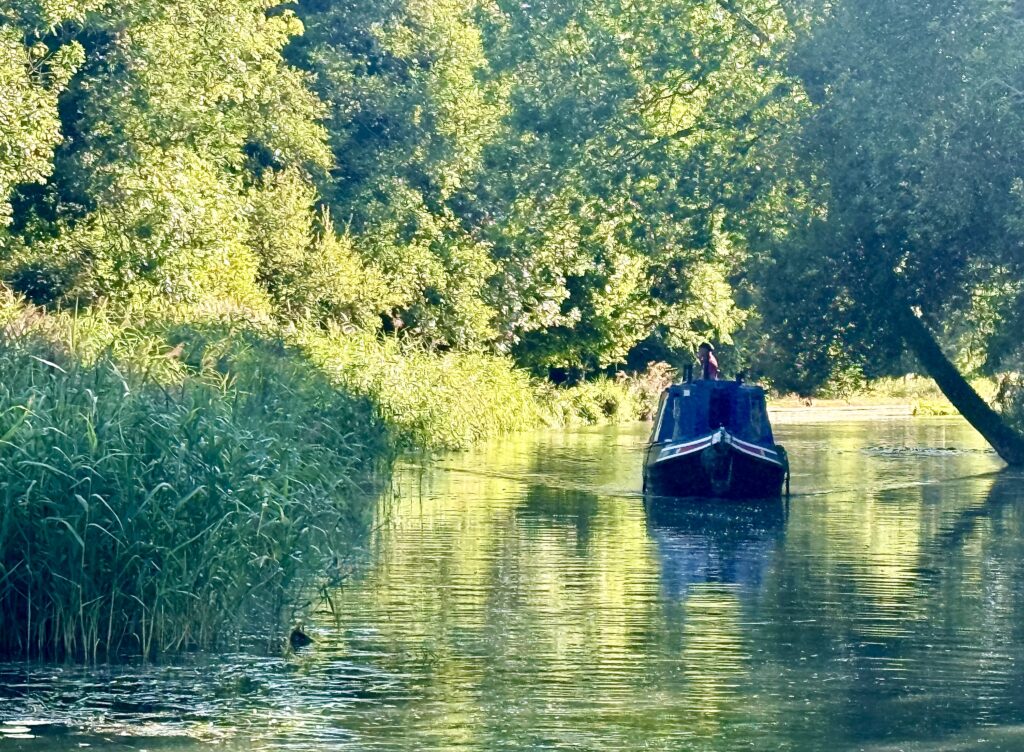
Enjoying the greenery of the K&A

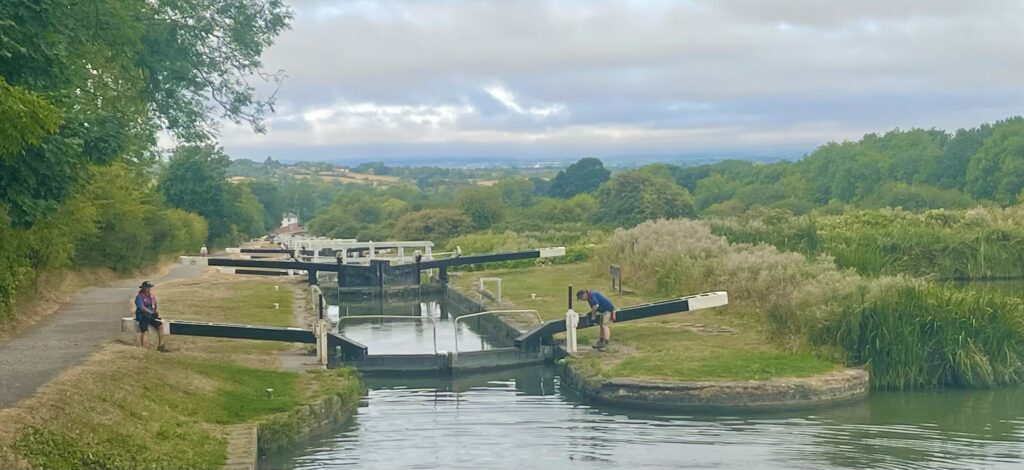
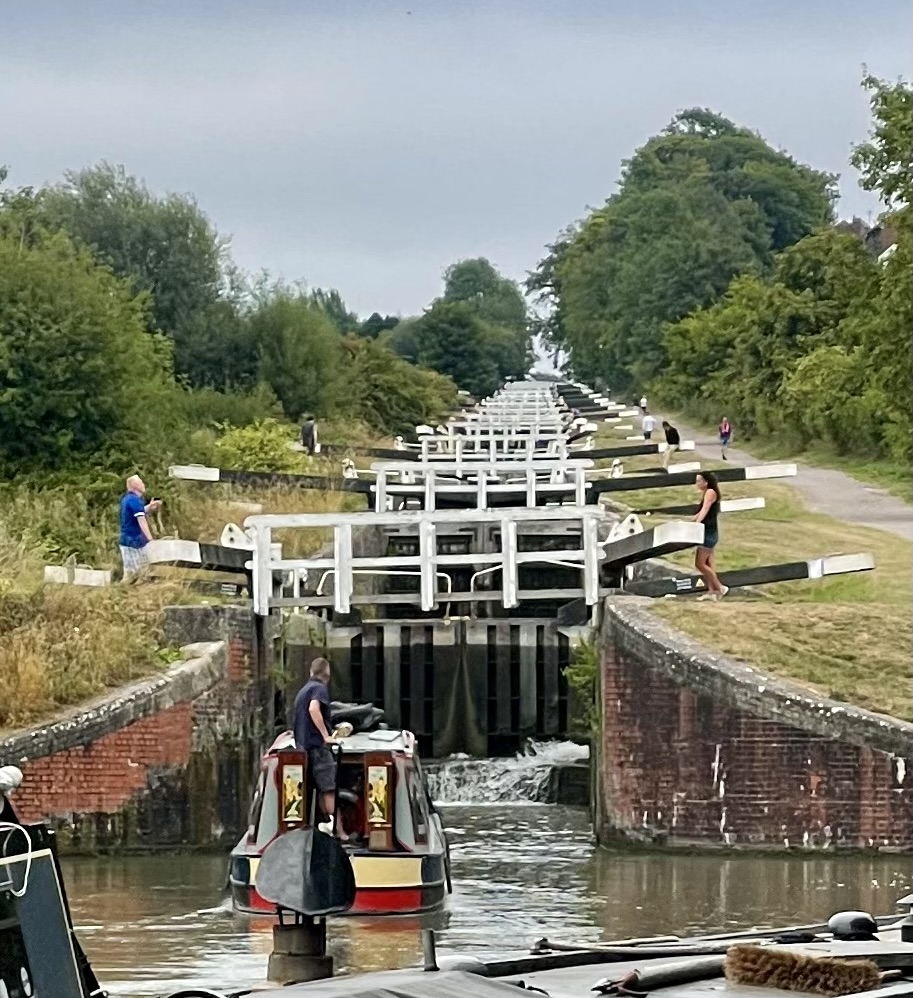
After very luckily finding an overnight spot at Devizes Wharf we planned to make an early start to head down the Caen Hill Flight. This was going to be a tough day and neither of us were looking forward to it even though we have done it many times before. The actual main flight has 16 locks with very short pounds between them, but there are 7 locks before them and 6 locks after that have to be done in one run, totalling 29 big locks in about a 2 mile stretch of canal! To say I was anxious about this is an understatement. I was dreading it, convinced that something was going to go wrong. I’d hoped to arrive at this section on a weekend so that we’d possibly get some help from the CRT volunteers, but it took us an extra day to get past the 11 miles of moored boats around Pewsey so we’d arrived a day later than planned.


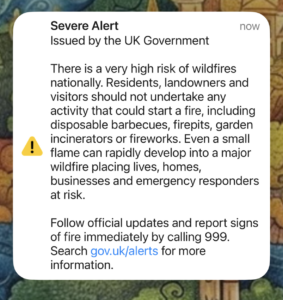
Getting a government alert about the risk of fires didn’t particularly help to calm my nerves.


So it was 7.30am on an overcast (and thankfully cooler) Monday morning that we went into the Top Lock at Devizes and apart from low water levels in some of the pounds we got through the first 6 locks without any issues. As we arrived at the last lock before the big flight, we were met by the glorious sight of…. CRT Volunteers; I was so relieved that the smile on my face must have been as big as a Cheshire Cat’s! It turns out that these locks have a dedicated team of volunteers for EVERY day of the week. The Monday Team are a great bunch of guys who got us through the middle section of 16 locks in just 2 hours. We weren’t rushing as there were lots of conversations to be had; I particularly enjoy finding out the past careers of these retirees as they are usually quite diverse from CEOs to Social Workers. We completed the 29th lock of the day just shy of 5 hours from when we’d originally set off and I for one, couldn’t have been happier.

Caen Hill main flight
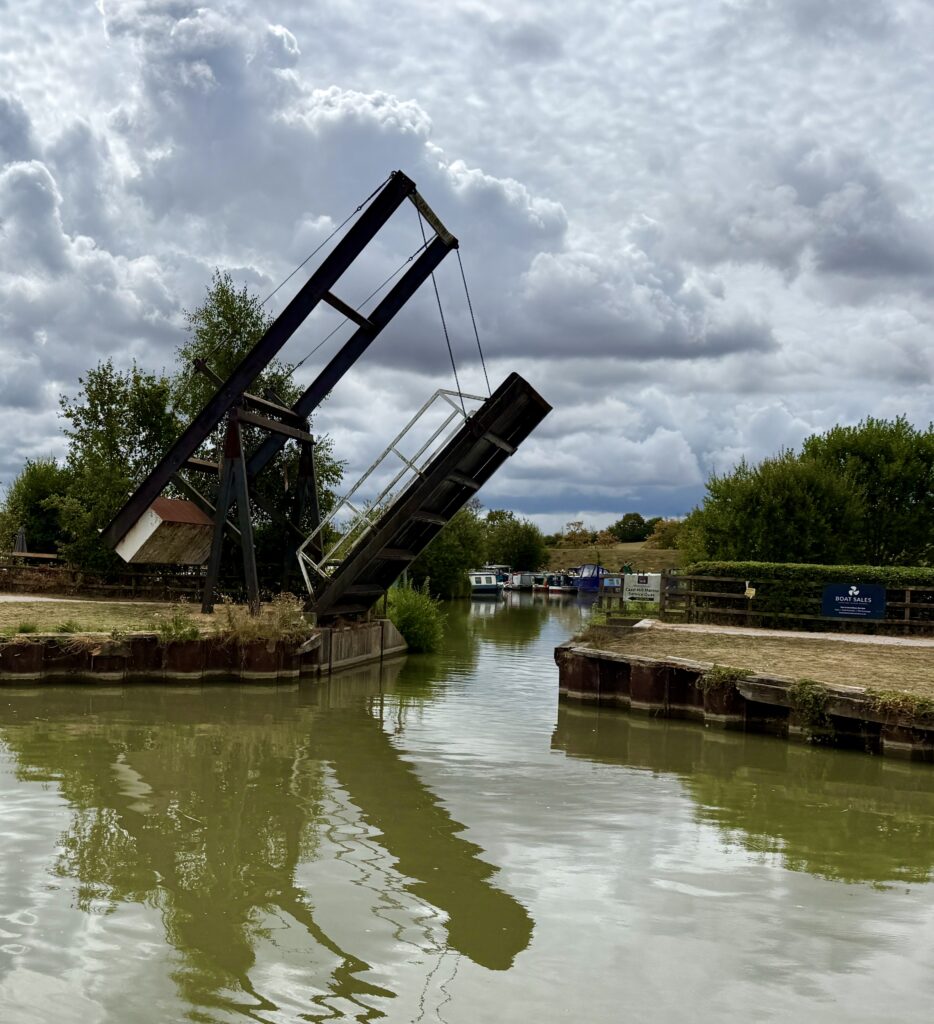
Entrance to Caen Hill Marina

The marina we are booked into was now within easy reach and this western end of the K&A is going to be our home for the next 7 months. It’s a beautiful stretch that passes through the southern end of the Cotswolds with one or two favourite spots as it meanders its way along to Bristol.

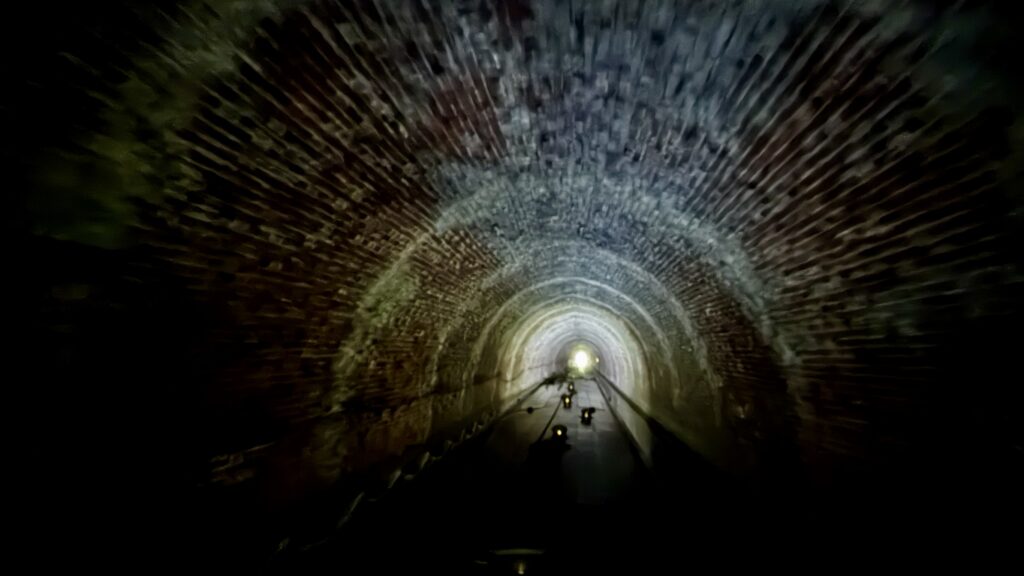
Passing through Bruce Tunnel

Around the Baltic Sea

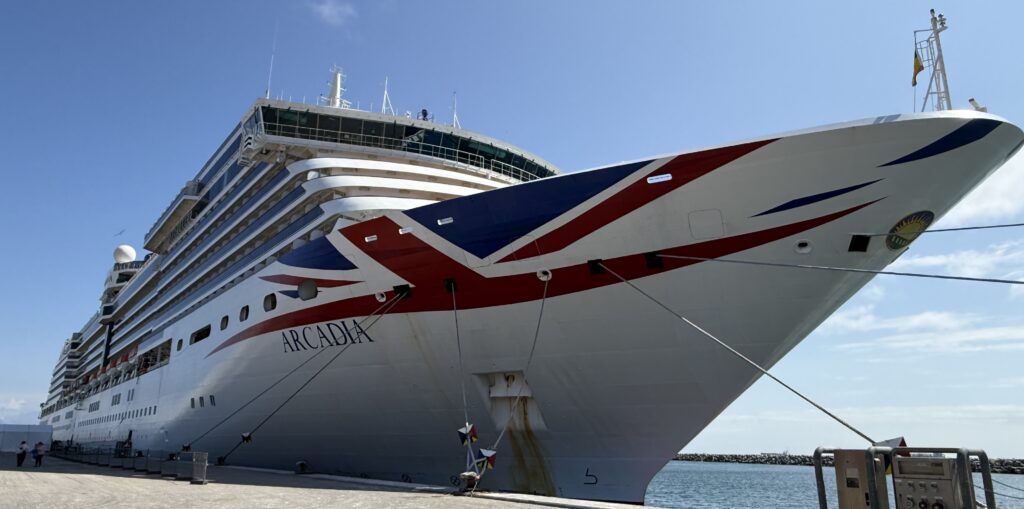
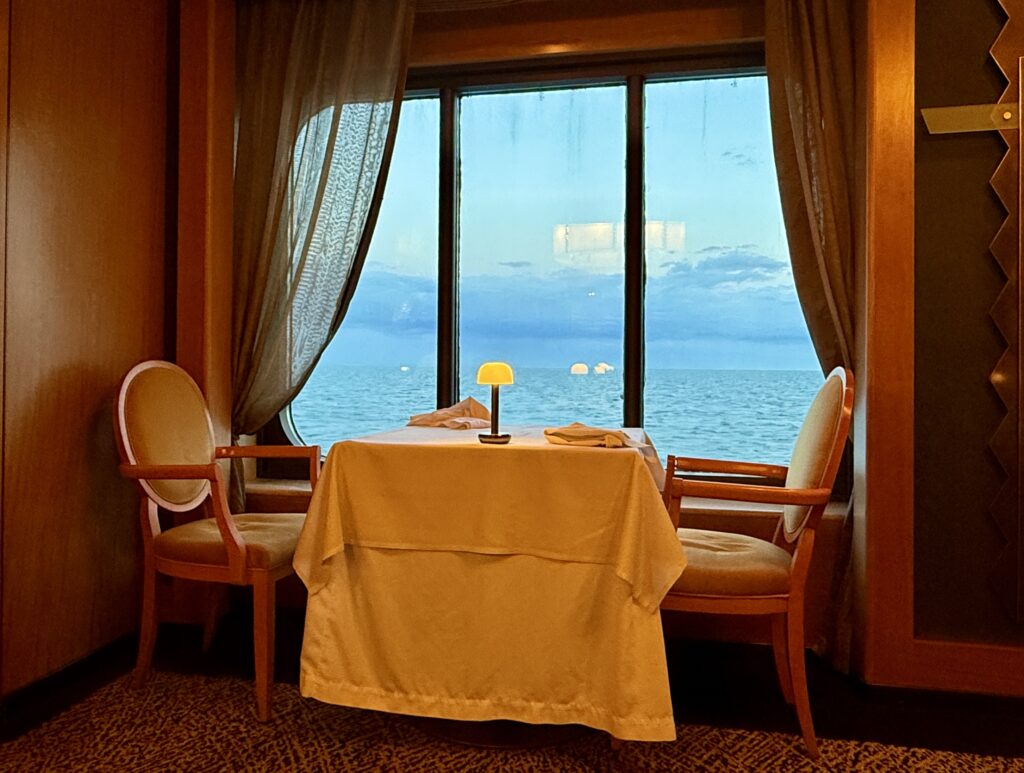
P&O Arcadia

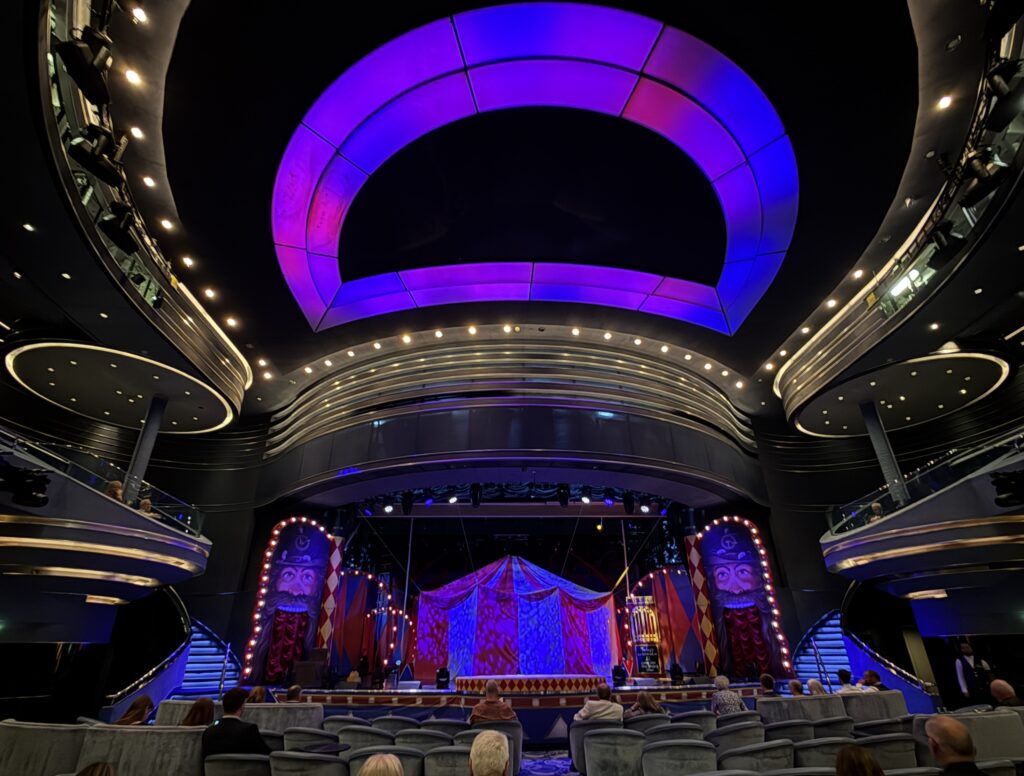
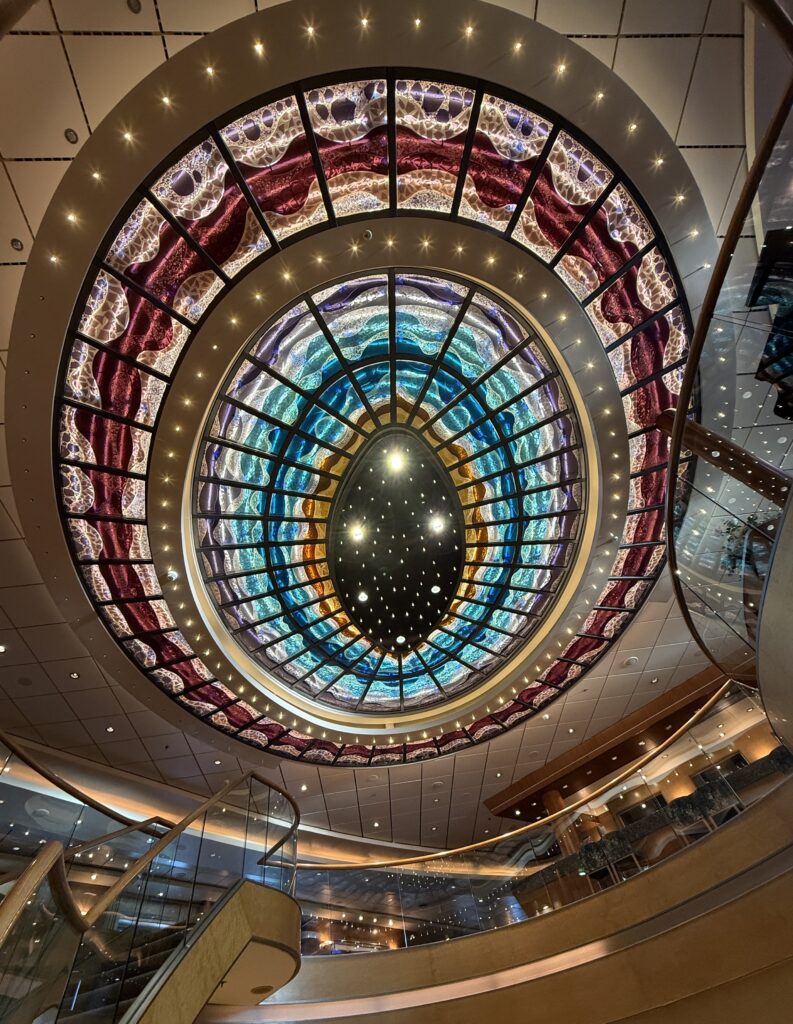
We made it to our mooring in Newbury, I think by the skin of our teeth as there was someone running their boat into the lock gates behind us and Sulhamstead Lock is still broken. Our destination was Southampton to embark on P&O Arcadia for a little round trip to the Baltic Sea. I had hoped we’d see lots of whales and dolphins, but it turns out that the Baltic is a mix of fresh and salt water to the extent that it’s called brackish and the marine mammals don’t like it. Our cruise would take us to ports in Denmark, Sweden, Latvia, Poland and Germany.

Where the seas crash together

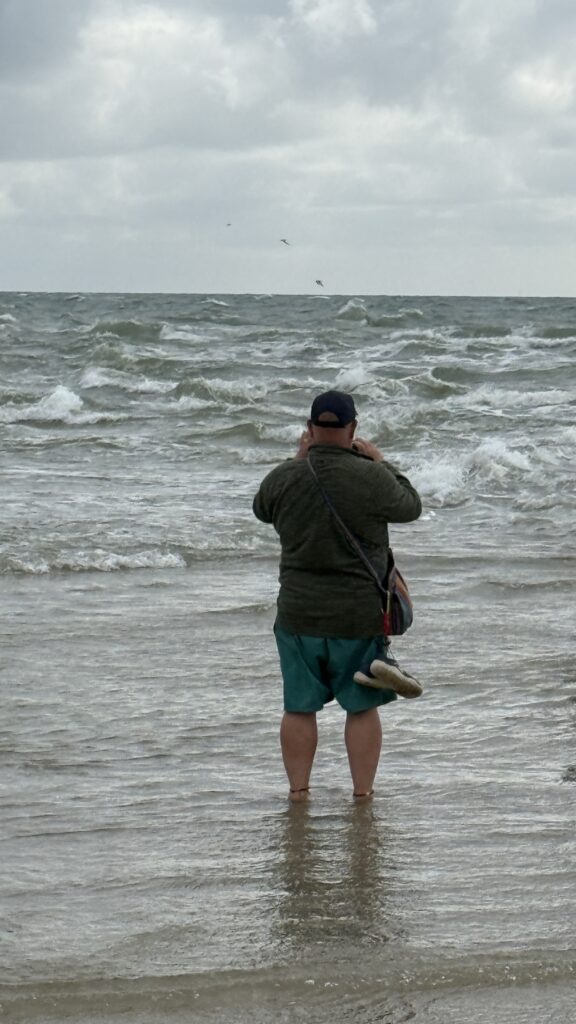
Our first port was Skagen where we took a trip to Grenen known as the “Top of Denmark”.  We stood on a spit of sand where the North Sea and Baltic Sea meet. I think they were having a bit of an argument as the waves were quite choppy and we both got wet.


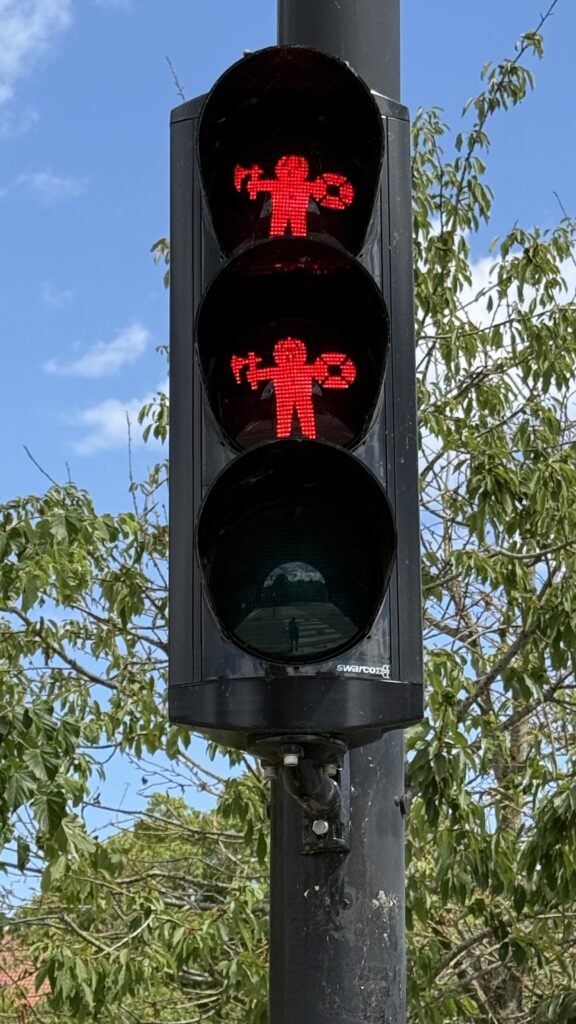
Viking says STOP
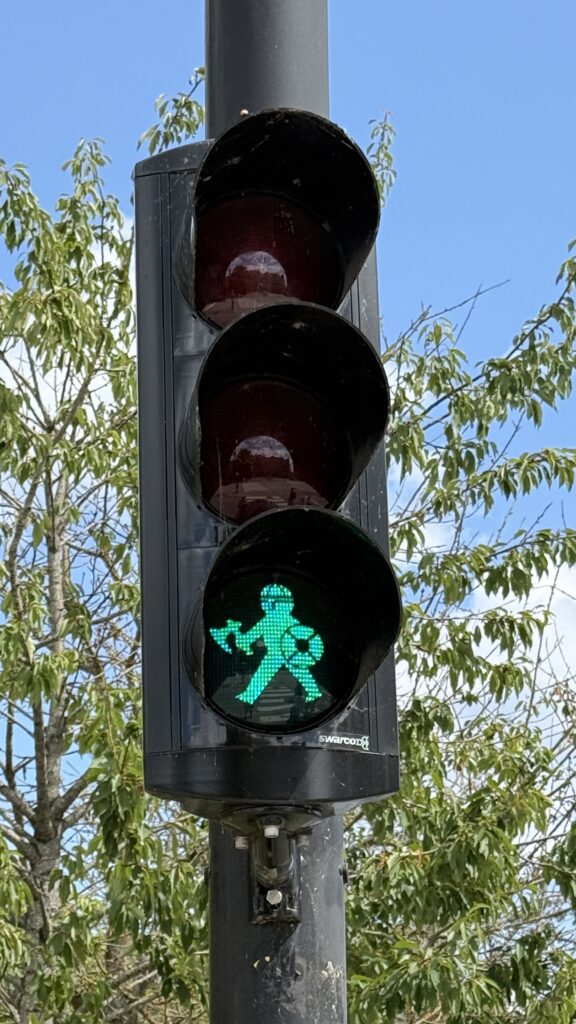
Viking says GO

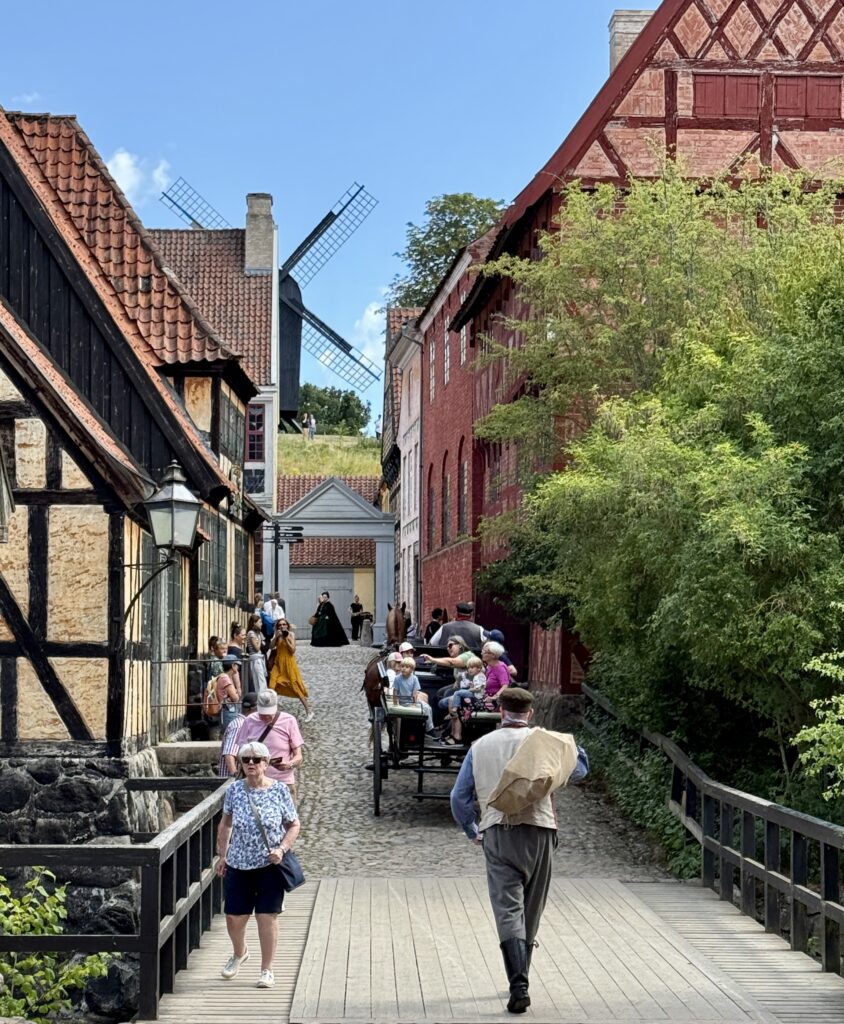
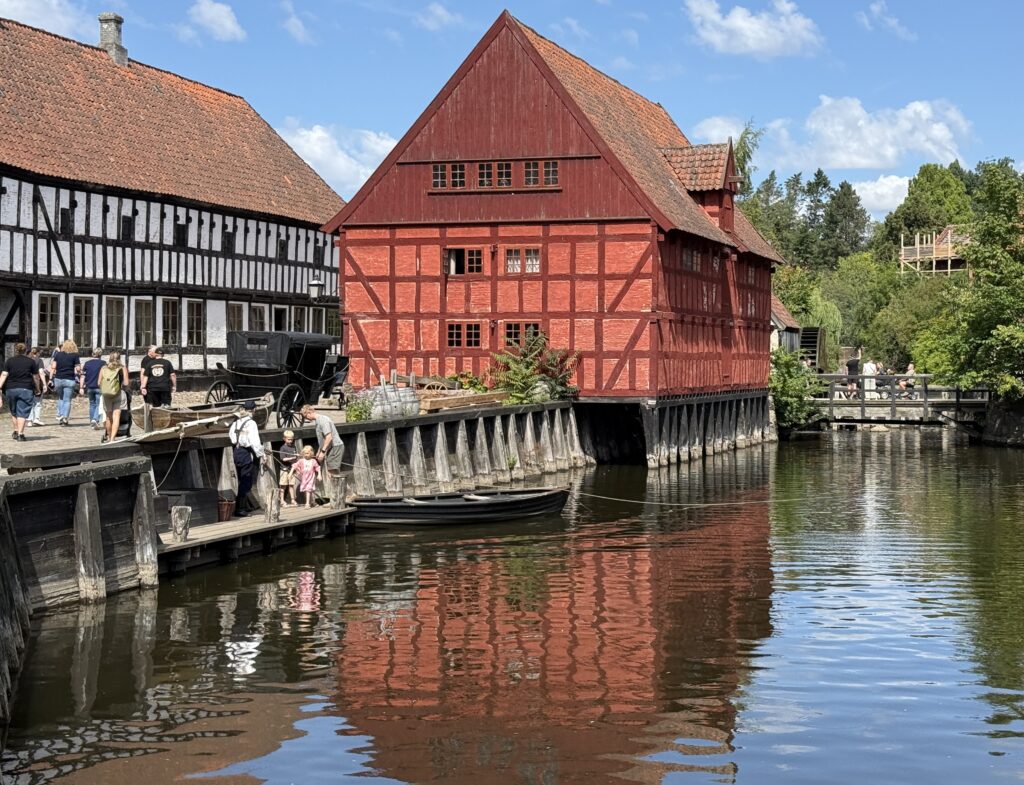
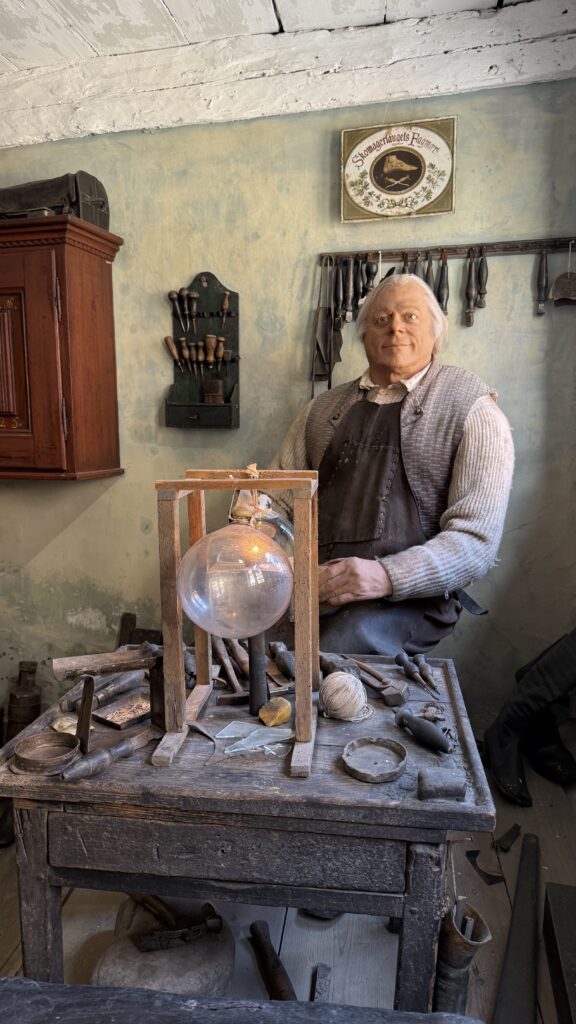
On to Aarhus, Denmark’s “City of Smiles”. The canals and parks had some great sculptures. But the must see was Den Gamle By (The Old Town), an open-air museum that is full of rescued buildings rebuilt so that you can walk through time to discover the cultural development of Denmark. There were actors moving around the streets but the manikins in the workshops were so lifelike you had to look twice in case they started moving too.

The Old Town, Aarhus, Denmark

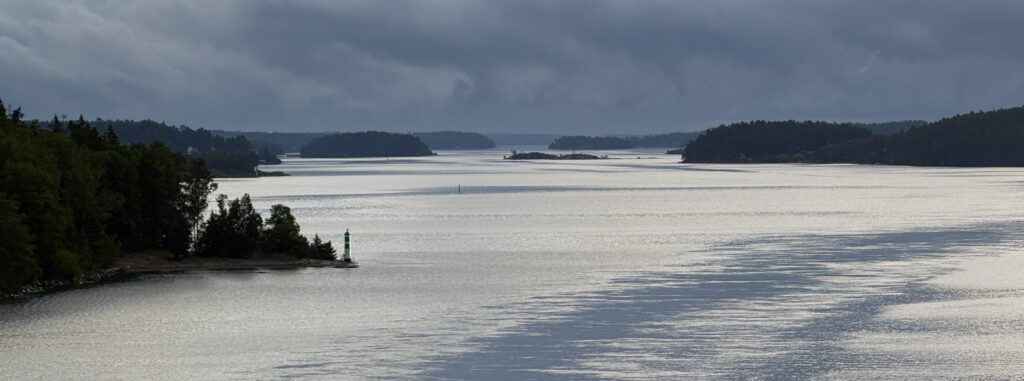
Sailing on through the Storebaelt on the way to our next port of call, we passed near a stretch of shoreline that gave us a flash back to 1988 (the year we got married!!). We’d graduated from university and to celebrate we went Interrailing with a group of friends.

Passing through the Archipelago to Stockholm

This was the campsite and location for our stag and hen night parties which were very laid-back affairs. Ian had a crate of beers to share with his brother on the beach, and I caught the bus into town with a couple of friends for a little pub crawl. The only problem was, when we girls got back to camp, there was no sign of the boys, just the empty crate on some rocks, that sobered us up rather quickly!

Vasa Museum, Stockholm, Sweden


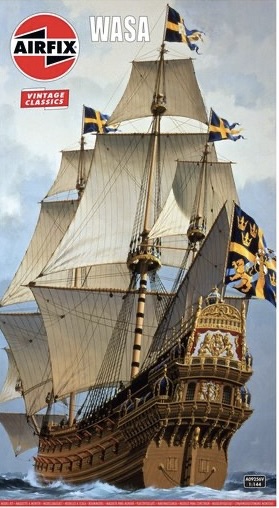
Ian has visited Stockholm a few times for work but this time he was sightseeing and our first stop was the Vasa Museum, it holds a Swedish warship that sank in the harbour nearly 400 years ago. It’s a bit like the Mary Rose in Portsmouth only bigger and even better. As a kid,Ian had assembled and painted an Airfix model of the Vasa, I’m sure he did a great job, but the real one is a truly impressive sight, it’s so big that I’m amazed there were any trees left in Sweden!

ABBA museum, Stockholm, Sweden


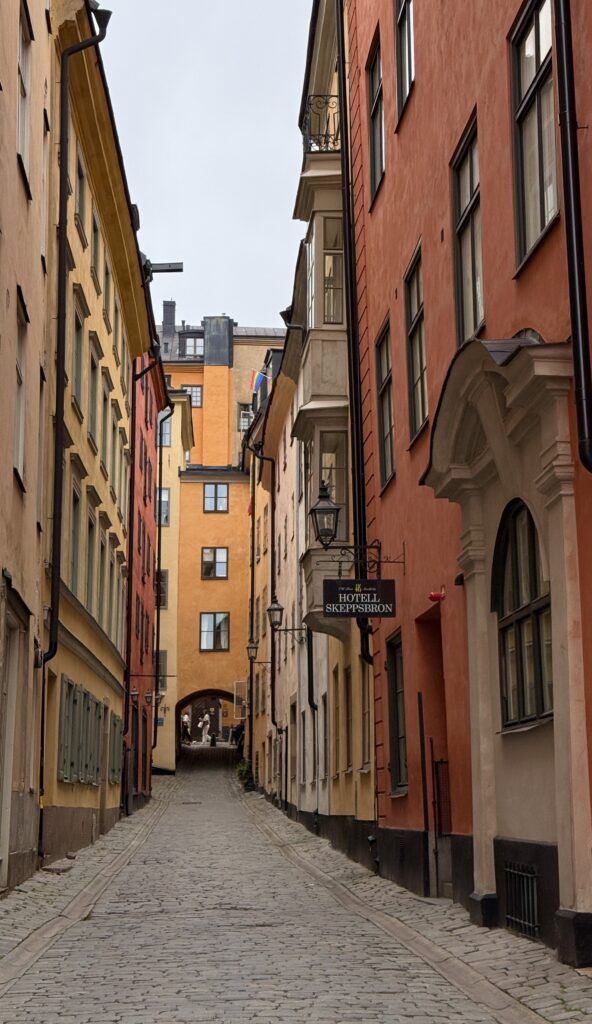
Old Town, Stockholm


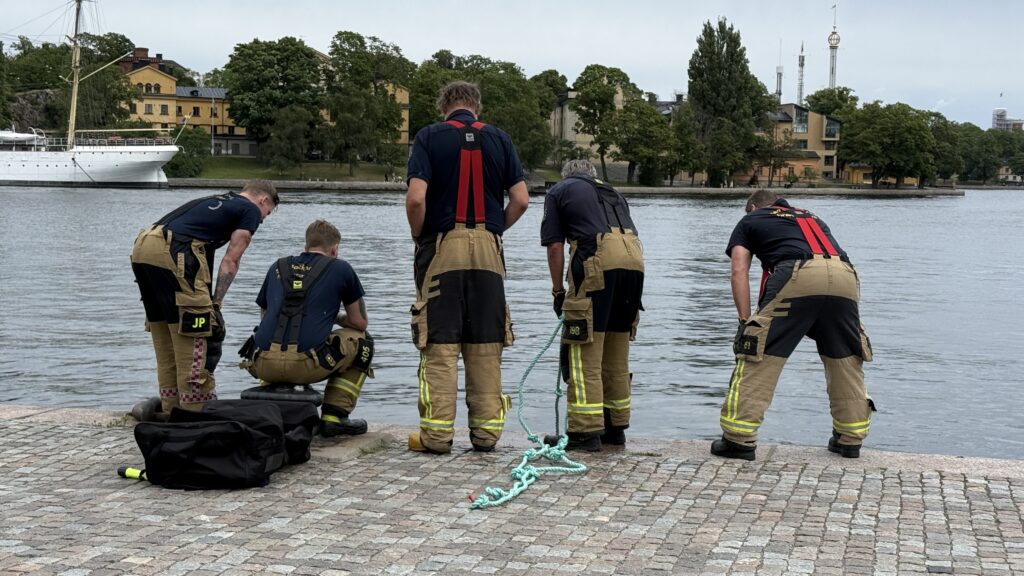
Firefighters practising rescuing dummies!

And of course we went to the ABBA museum, and I did recognise the costumes they’d worn on Top of the Pops and yes, I did do the audition to be the fifth member of the band- it was just a tad embarrassing to walk out of the curtained booth afterwards (ha ha). Back on our ship the captain’s evening port summary must win the prize for containing the greatest number of ABBA quotes, it was very cringe worthy!

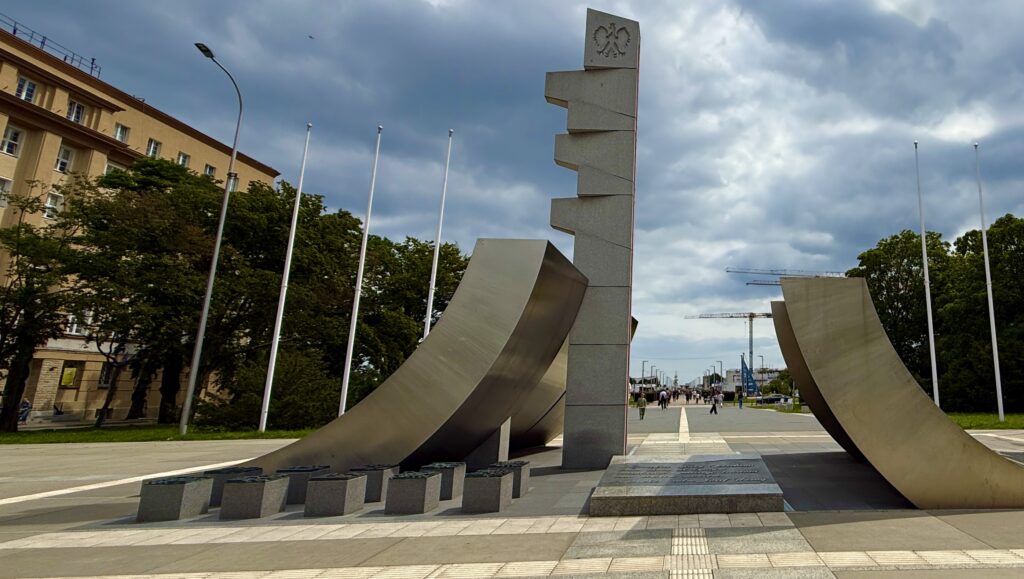
Pomnik Polski Morskiej (Monument to Maritime Poland) Gdynia, Poland

The harbour town of Gdynia, Poland, was quite an eye opener for me. It did feel like we had stepped into an eastern bloc country and given the history of what was once a little fishing village, that’s not surprising. The buildings are all quite modern and austere as the port continues to serve its post WWI purpose as the main shipping port for Poland.

The Three Brothers, Riga
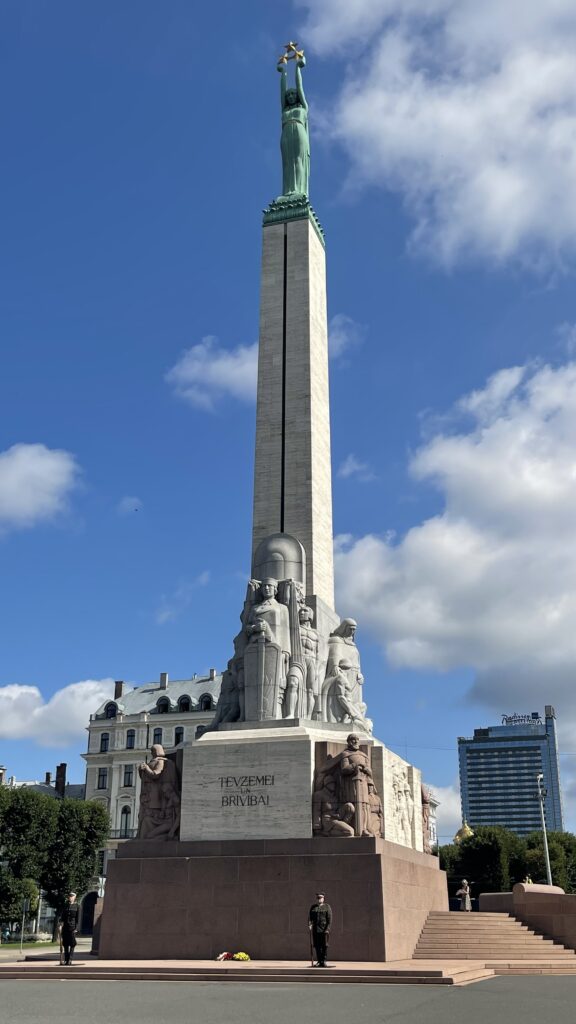
The Freedom Monument 1935, Central Riga

Riga, Latvia stands proud today but remembers the political upheavals and hardships that it has suffered during the 20th century. Many of the city’s 39 churches stand around squares containing monuments to fallen heroes both civilian and military. It is a humbling experience to read of the difficulties suffered here.

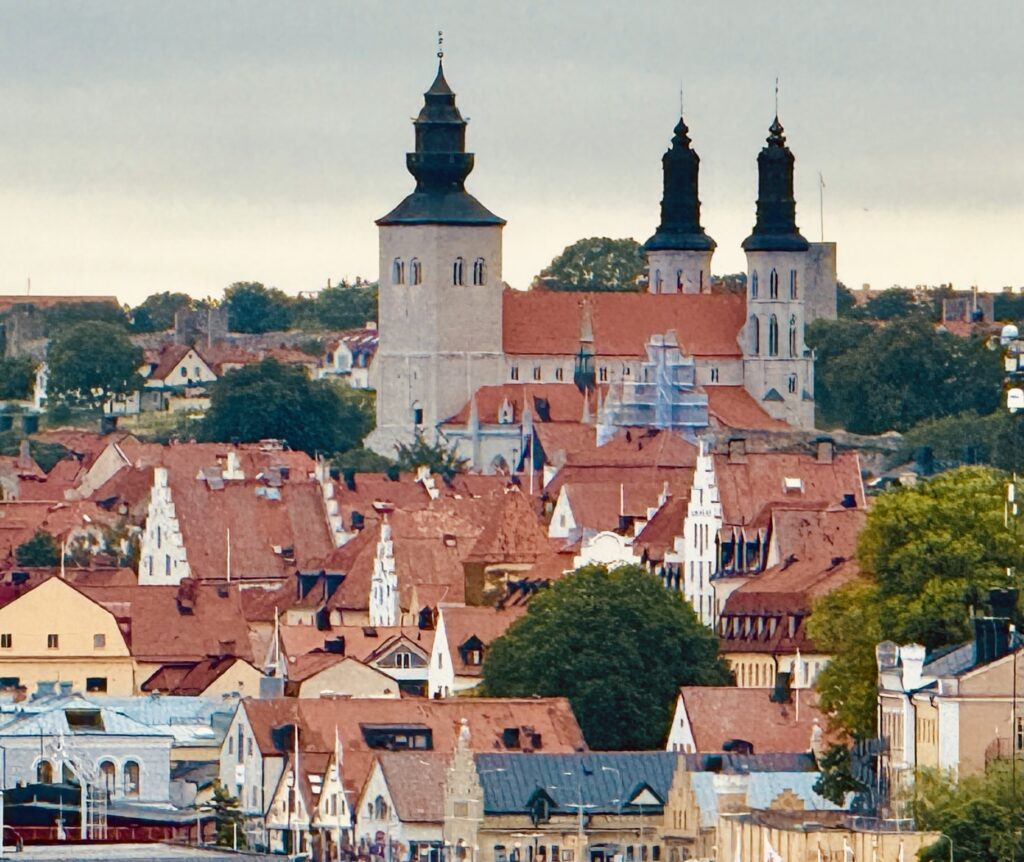
Visby
Visby

All in all, this trip did not disappoint. The ship, scenery and architecture was stunning; the cultural histories of each port were both enlightening and horrifying. We will definitely be going back to explore more.


But right now, we’re back on our little boat and heading west!

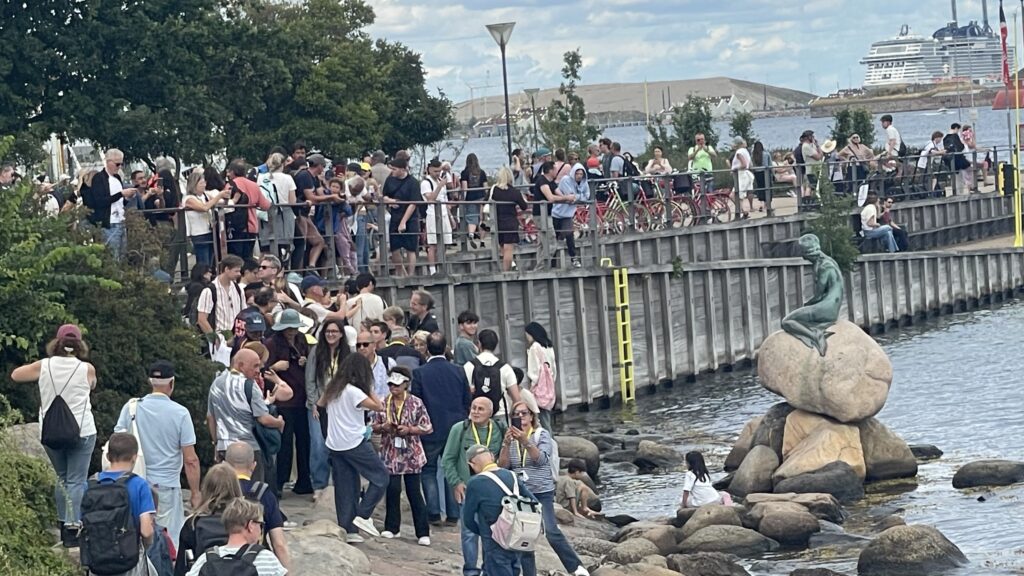
The reality of sightseeing


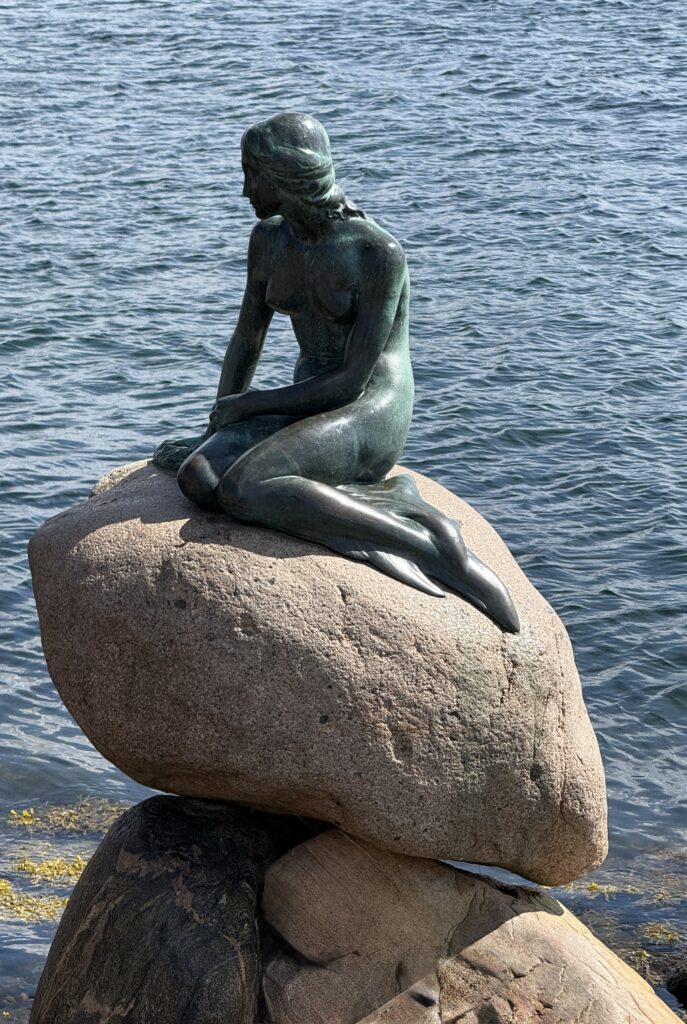
The Little Mermaid, Copenhagen


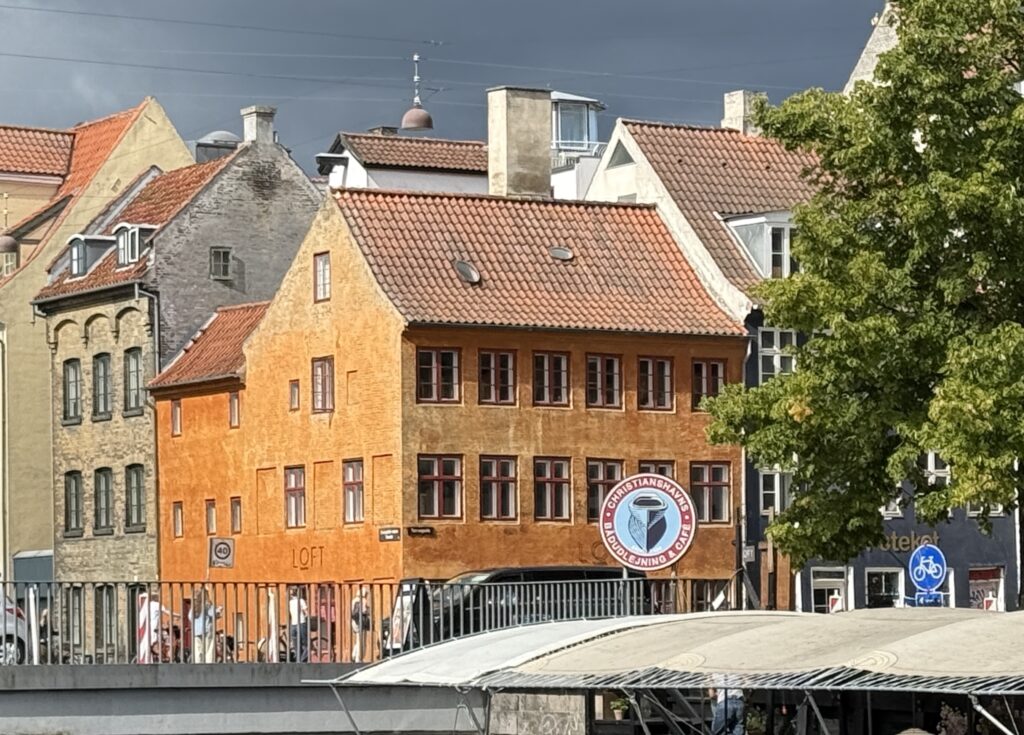
Christianshavn, Copenhagen


You couldn’t make it up!

Enjoying the River Cherwell

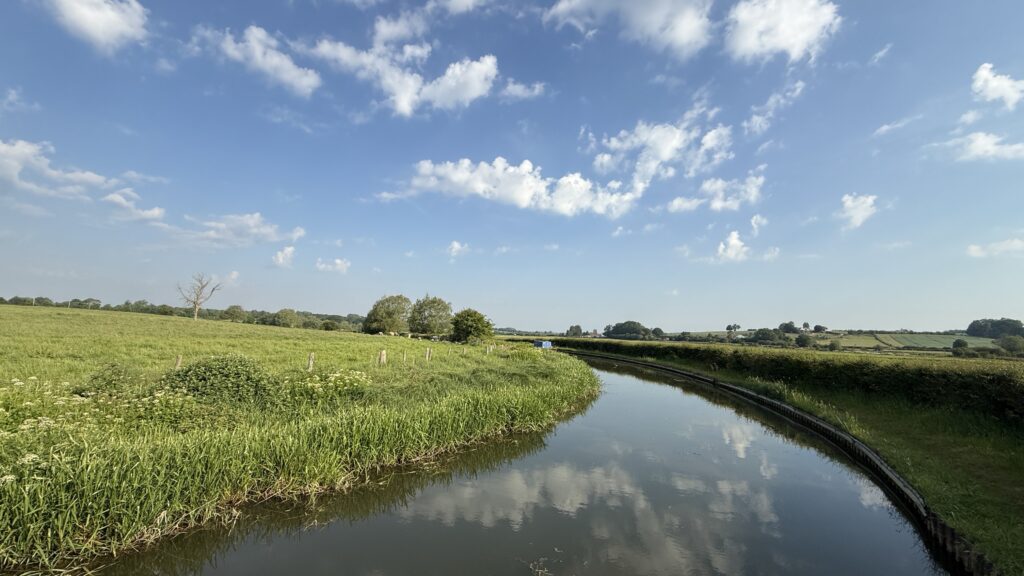
We took a very slow and relaxed cruise down the South Oxford Canal. During the recent heatwave, we stopped on a stretch of the River Cherwell for a few days and enjoyed having lots of cooling swims with the fishes (the little, tiny ones are very curious and like to nibble your legs!)

Thrupp Services and Cruising Club

At Thrupp, we took advantage of  a temporary mooring with the local cruising club, it was only £7 a night and is highly recommended. This gave us peace of mind to do a mad dash up to Liverpool to see our son sing in the National Welsh Male Voice Choir Concert in the Anglican cathedral (the acoustics were amazing). And yes, he does sing in Welsh!

A rather narrow and crowded Dukes Cut


Back on the South Oxford, our destination is Newbury on the Kennet & Avon Canal (K&A), but we were getting anxious about a couple of locks that have been closed for repairs. Staying ever hopeful we carry on and turn right onto Dukes Cut to join the River Thames and head south past Oxford.

Getting the hang of “Self Service” on the Thames locks
No windlass required!

We haven’t been on the Thames for 4 years, but it is very familiar territory, and our rather tatty Nicholson Guide has lots of scribbled notes in it with favourite mooring spots. We soon get into the habit of cruising in the morning and tying up in the afternoon to make use of our boarding ladder for more cooling swims this time with bigger fish, curious swans and rather noisy geese (and the occasional kingfisher).

Goring from the lock

There are quite a diverse range of waterway users on the Thames including college rowers, swimmers and paddle boarders. There is one paddle-boarder who we keep seeing, he is an older gentleman (probably our age hah hah), on his own and is camping by the river every night. On the third day we ended up sharing a couple of locks with him. It turns out he’s from the Ukraine and about 50 years ago whilst living in the Soviet Union, he read the book “Three Men in a Boat” by Jerome K Jerome. The story inspired him to recreate the voyage for himself and travel on the Thames from Oxford to London. I asked what his family thought of him doing this on his own, on a paddle board; he shrugged “they don’t worry about me, they are used to me and my adventures!”. I hope he made  it as he only had 4 days left and just under 60 miles to go.

The intrepid paddle-boarding Ukrainian


As we were pootled on we were delighted and very relieved to hear that the repairs to the locks on the K & A were all completed. Sadly, this didn’t last as it wasn’t long before  a “drunken sailor” (boater) crashed into the gates of one of them and broke it. Navigation was closed again and so with apprehension levels rising we carried on towards Pangbourne Meadow to wait for an update. The next day a miracle happened and the lock was fixed again, they just had to  lift a 900kg gate back into place. Hurrah! So with harmony and calm restored we now had a whole week to get to Newbury (easy peasy). The next day we decided to go for it and have a long day cruising to get off the Thames at Reading and past those troublesome locks on the K&A.

Caversham Lock “Out of Order”
Repairs to hydraulic pipes

But you guessed it I spoke too soon, as we passed through our first lock of the day, we were informed that the next one at Caversham had broken the previous day and wouldn’t be fixed for at least a couple of days (As I edit this, we’re on day 4). We are stuck… again! What can you do??? Well, we went back to what we did in Banbury, when we were stopped by a fallen tree, we pulled over in the town and went to the cinema. Here’s hoping we still make it to Newbury in time for our next adventure!

So close! The River Kennet cuts through Reading town centre


Are we sinking?!!

 Evening on Somerton Meadow

Picture this, it’s evening and we’re relaxing for one last night on the boat before heading off for a fortnight in the campervan. Ian pops to the back of the boat to get something and suddenly shouts “There’s water!!” Of course there’s water, we’re living on a boat, on a canal, there’s water in the canal, there’s water in the taps, the toilet, the sink etc. I wonder if he’s completely lost the plot, but his yell sounded a bit strangled, so I get up to go see what water he’s talking about and discover him standing in about 2 inches of water in the back cabin. Yikes, we’re sinking!

Somerton deep Lock


House envy on the South Oxford

Sorry for no photos of the actual incident but we were both kept a bit busy working out what was happening and dealing with the imminent threat of sinking. After much scurrying around and more shouting we eventually discovered that the pipe from the water tank under the bow deck had come loose and, probably for about an hour or so, had been emptying the contents of our 900 litre water tank into the bilge of the boat. As the stern of the boat is lower than the bow the water was collecting at the stern and weighing the back of the boat down. The fact that we were currently standing in 2 inches meant that the water had already filled the space below the floorboards, and yes, there are various holes along the side of the hull that would allow canal water in if they became submerged and slowly flood the boat with dirty canal water. Thankfully this water was clean; we weren’t sinking yet, only the back cabin was flooded, so…

Problem 1: Find and stop the leak
Solution: Turn off the service tap at the bottom of the water tank in the bow and go hunting.

Problem 2: How to get nearly 900 litres of water out of the bilges (which are obviously well below the water line of the canal)
Solution: Use Heather to operate an electric drill with a pump attachment and extended hoses to suck the water from under the floor and onto the banking (not directly into the canal in case it had any particulates in it from the bilges), this took about an hour.

Problem 3: Restore our water system (so I can put the kettle on)
Solution: Get Ian to scramble under the bow with jubilee clips to reattach the very badly behaving water pipe.

Folly at Steeple Aston


The calm of the Oxford Canal

And then count your lucky stars that it happened before you went to bed and that you always remember to turn the water off at the tank before you go away! We’d managed to figure out what was wrong relatively quickly but had been horrified by how fast the water tank had emptied whilst we were sitting relatively close to it. By now there was now no water left in the tank, but we do have two full water containers (for emergencies!!) to use when we get back to the boat after our land adventures. These will have to last us until we cruise far enough to find the next canal side service point with a water supply.

View from the van, Porth Iago Campsite


Dyllborth


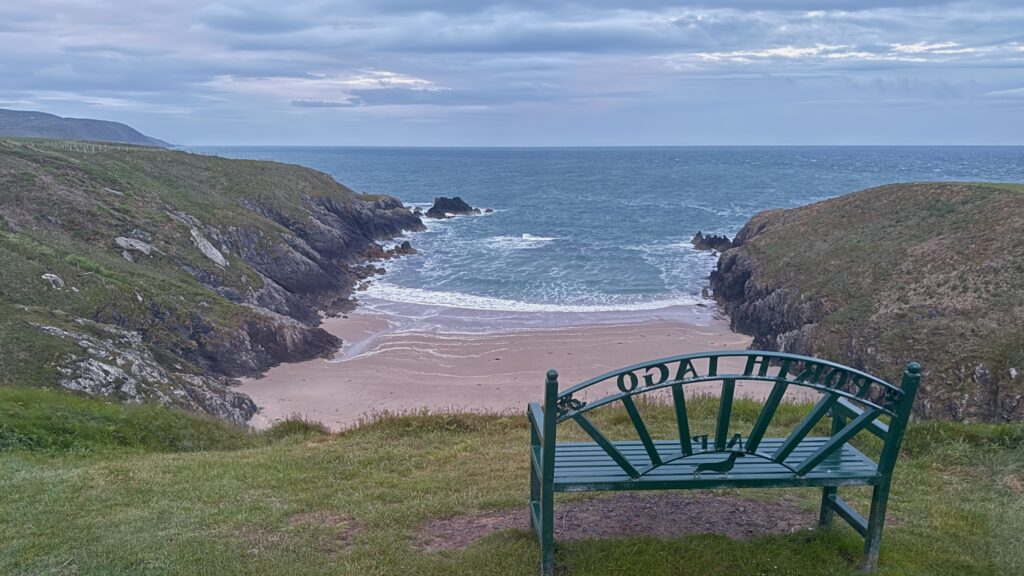
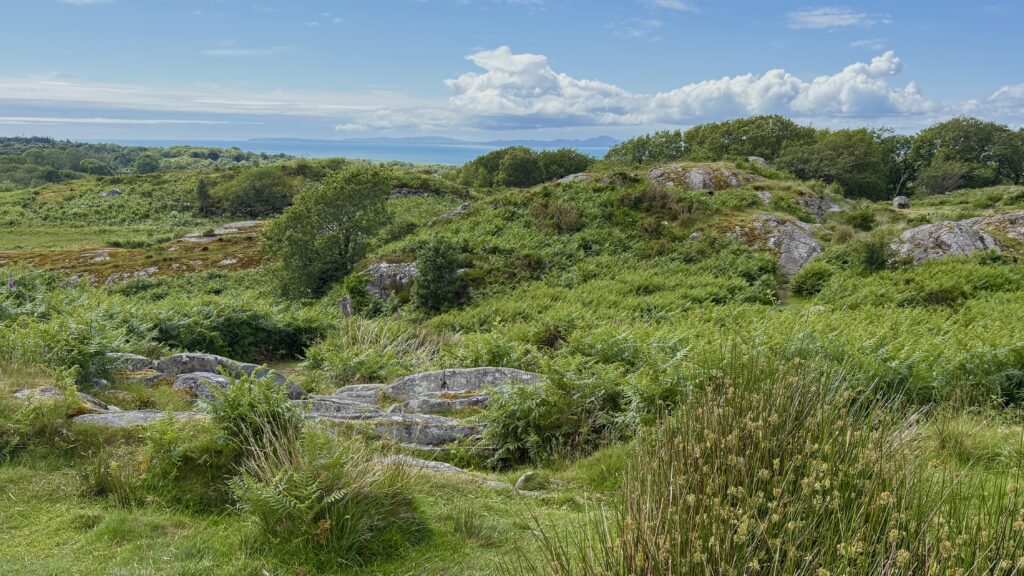
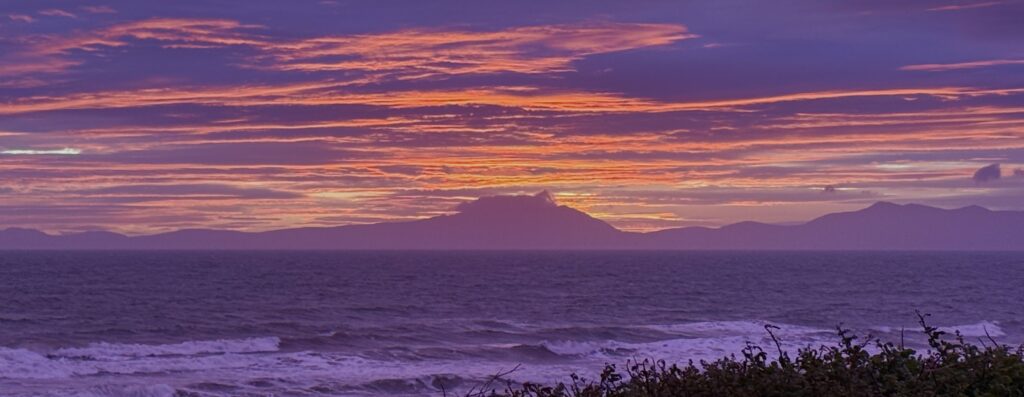
We are now (hopefully) fully recovered from our near sinking experience and as I type this we are in North Wales sitting by an open fire watching the sunset over Cardigan Bay. We’d recommend all of the campsites that we’ve been on. The first was on the Lleyn Peninsula called Porth Iago, a cliff top site with access to a quiet sandy beach and the Welsh Coastal footpath.

Views from Nantcol Waterfall walks

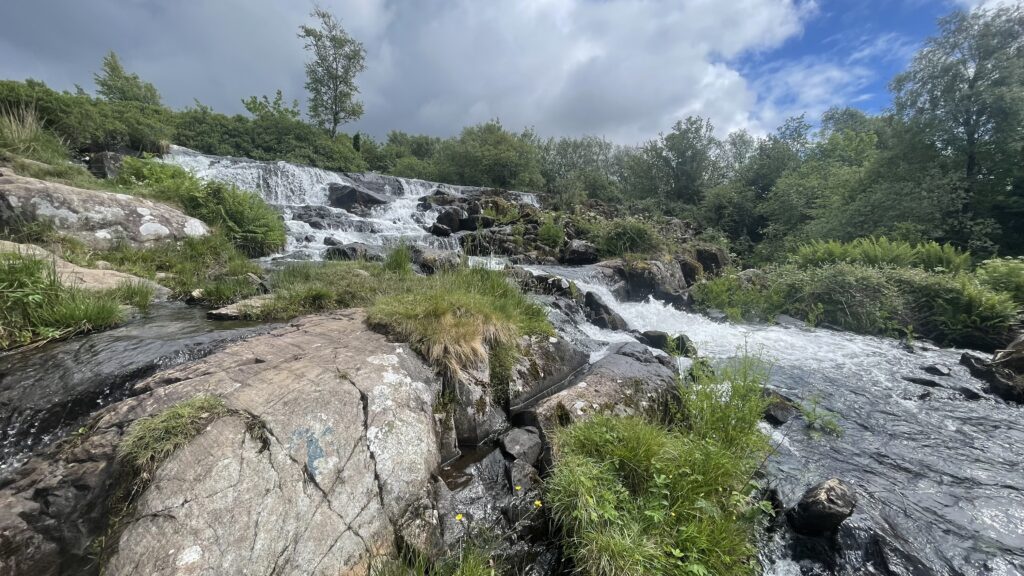
The second was a little cracker, Nantcol Waterfalls Campsite at the edge of Eryri National Park, we both went wild swimming and it was a stunning location with lovely walks.

View from pitch on Shell Island
Choppy seas across Cardigan Bay

And yet again we have come back to Shell Island near Llanbedr. Despite the fact it’s the biggest campsite in Europe, there is so much space (300 acres) so you don’t feel crowded and the sandy beaches go on forever – well at least to Barmouth. You have to time your walk to fit with low tide, if you want to stay on the beach. Ian’s walked it and discovered that after 12 miles your legs ache a bit but the cooling caress of the sea really helps those tired bones (makes them go numb!). If you miss a stunning sunset, there’s always the occasional porpoise to spot across the bay whilst you eat your breakfast. Fabulous.

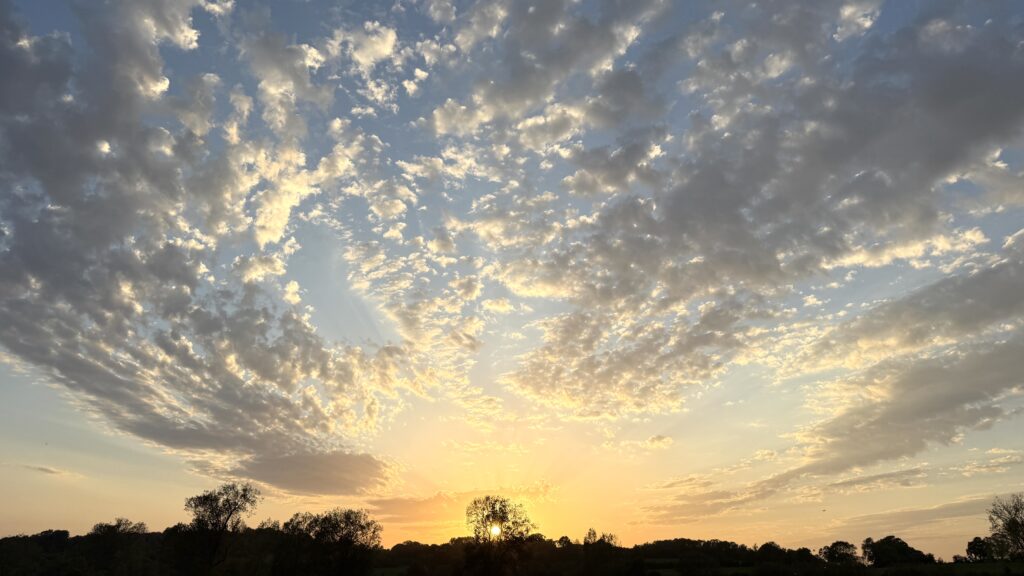
Sunsets over Cardigan Bay

Locks, locks and more locks


We’ve now two thirds of the way to Newbury. We try to pick the drier days for cruising, but the weather does like to have a laugh and has given us all the seasons in one day, several times.
Ian’s attempt to stop the use of the multifuel stove for the year (following his efforts as a chimney sweep) went out of the window. It’s been so cold! In the mornings the temperature has nearly hit zero, then it’s gone up to high teens for the afternoon- ridiculous, so I’ll have to bribe the sweep with silver to get it cleaned again. Now, as I type this, we’re sitting in a heatwave with temperatures rising to 30+ degrees C so instead of a fire, we’ve got the fans out!

essential supplies from Wedges Bakery


We left the Worcester & Birmingham at King’s Norton Junction and headed east on the North Stratford Canal (stopping for necessary supplies at a local bakery along the way). Dropping down the 18 locks at Lapworth we weaved through the moored boats and channels at Kingswood Junction to turn onto the Grand Union. We’re now into areas of the English countryside that are very familiar, as we spent many years cruising them for our family summer holidays – it was either that or camping!

Pairing up for Bascote Staircase


Heading uphill on the wide locks of these bigger canals can be a little daunting, but we got lucky and managed to pair up with another boat for both the 21 Hatton locks and the 10 at Stockton. Having two boats side by side when you’re rising in these broader locks stops the boat from being thrown around as the influx of water can be quite violent at times.

Starting up the Napton Flight
More essential supplies, Napton Cidery

At Napton Junction we turned onto the South Oxford Canal. There, we paused at the bottom of the Napton Lock Flight long enough to wander into the village and visit the Napton Cidery. Wherever we go on our travels, we like to “support the local community”, so having heard about this place from fellow boaters we had to stop and sample their wares. It was yummy, so Ian gallantly carried a case of bottles back to the boat. Lucky for us we discovered they also sell their cider through Ocado online shopping so we can replenish our supplies from them (and continue to support the villagers of Napton!!)

Iconic windmill at Napton

The contouring South Oxford Canal has always been a favourite. It curls around the hills and can be very bendy, especially in the section known to us as “the wiggles”. This summit level of the Oxford has an ongoing issue of low water, so you can’t cut corners on bends, or the boat can get stuck on the silt. Being such a pretty area makes it very popular, particularly for hire boats, and you can guess where you ‘re going to meet them! Yep, it’s always under a bridge or on a blind bend and one or both of you ends up going aground. But a wave and a smile usually keeps everyone happy…..usually. At one bridge we did end up listening to a hire boater toot his horn at us repeatedly even though we were already stationary and leaving plenty of room for him (we saw him coming!). Since our last blog we’ve done another 85 locks, so we’ve been busy and due a treat.

Tooleys Boatyard and Castle Quays at Banbury

In Banbury the canal cuts through Castle Quays which has shops, restaurants and a cinema (arriving late morning is usually best to get a spot). I’d been promised a trip to the cinema to see “The Sheep Detectives”. As we were tying up, our phones bing-bonged with a CRT notification that the navigation ahead of us was closed, a tree was down completely blocking the waterway and the towpath. Ian went off to investigate and returned with news that we were stuck possibly for a few days. Oh well, what a shame, time to go see some crime solving sheep!

Magical misty mornings on the South Oxford

Footnote: As my editor hasn’t published this yet I can add that in this current heatwave the inside of the boat reached 33.8C Everything inside was feeling a tad warm so I had to actually cool a bowl down before I could grate cheese into it for tea!

Will we fit??

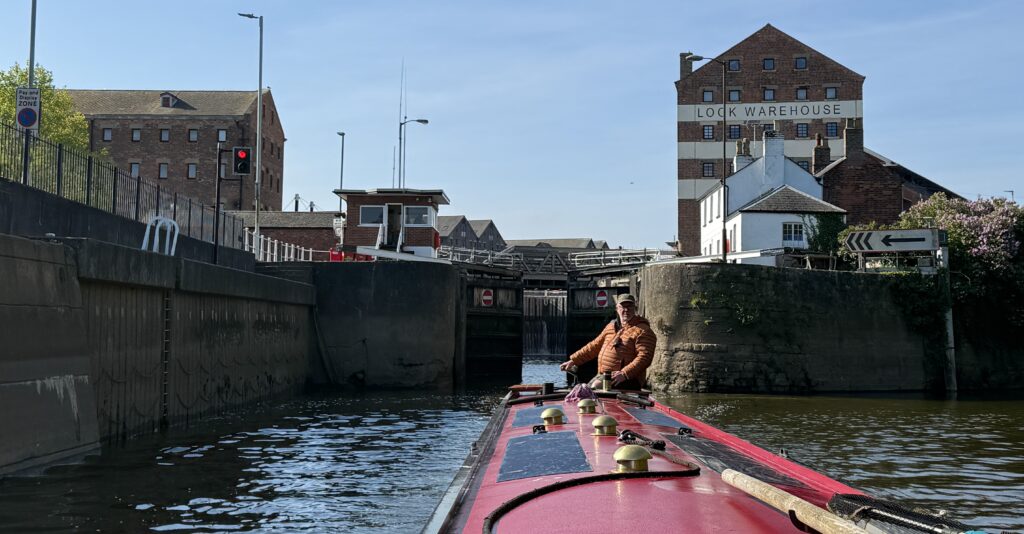
Leaving Gloucester Lock

I can’t remember the exact logic behind this next repositioning cruise of our floating home, but we are heading back to familiar territory, it’s a one-way trip to the Kennet & Avon Canal, back to this boat’s home port of Newbury. It’s a bit of an epic undertaking of about 394 lock/miles, that’s 197 locks and 207 miles of canals and rivers. We want to be in Newbury for the middle of July, so we’ve got plenty of time to get there.

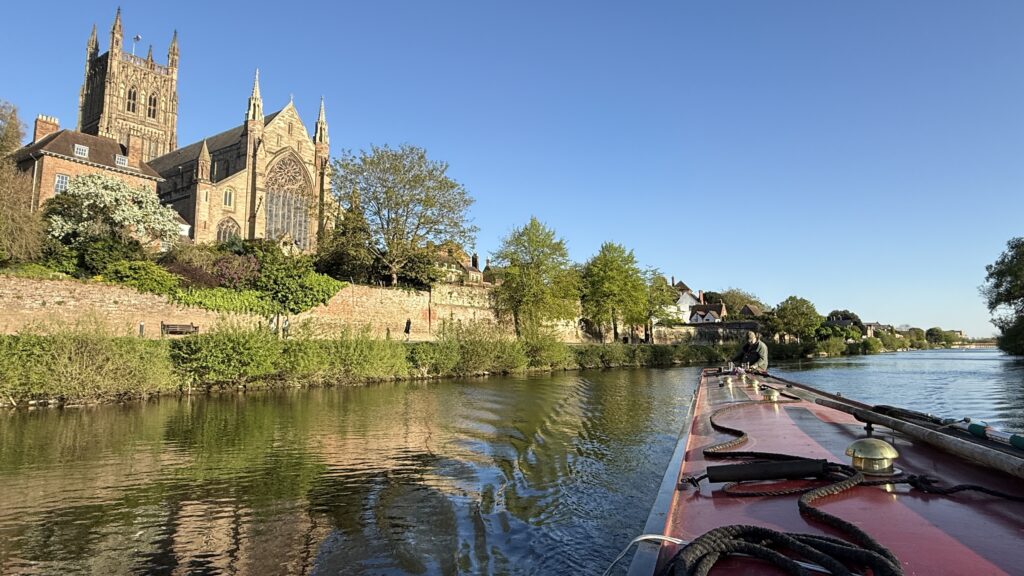
Heading past Worcester Cathedral on River Severn

As usual, I think we are already on plan C. There are issues with locks on various routes, so we opted to head further north up the River Severn. On our first day, we cruised nonstop for just over 9 hours, completing 35 miles and 3 locks in one run. That’s a very long day for us. We usually aim for about 15 – 20 lock/miles per day which is about 4-5 hours of cruising.

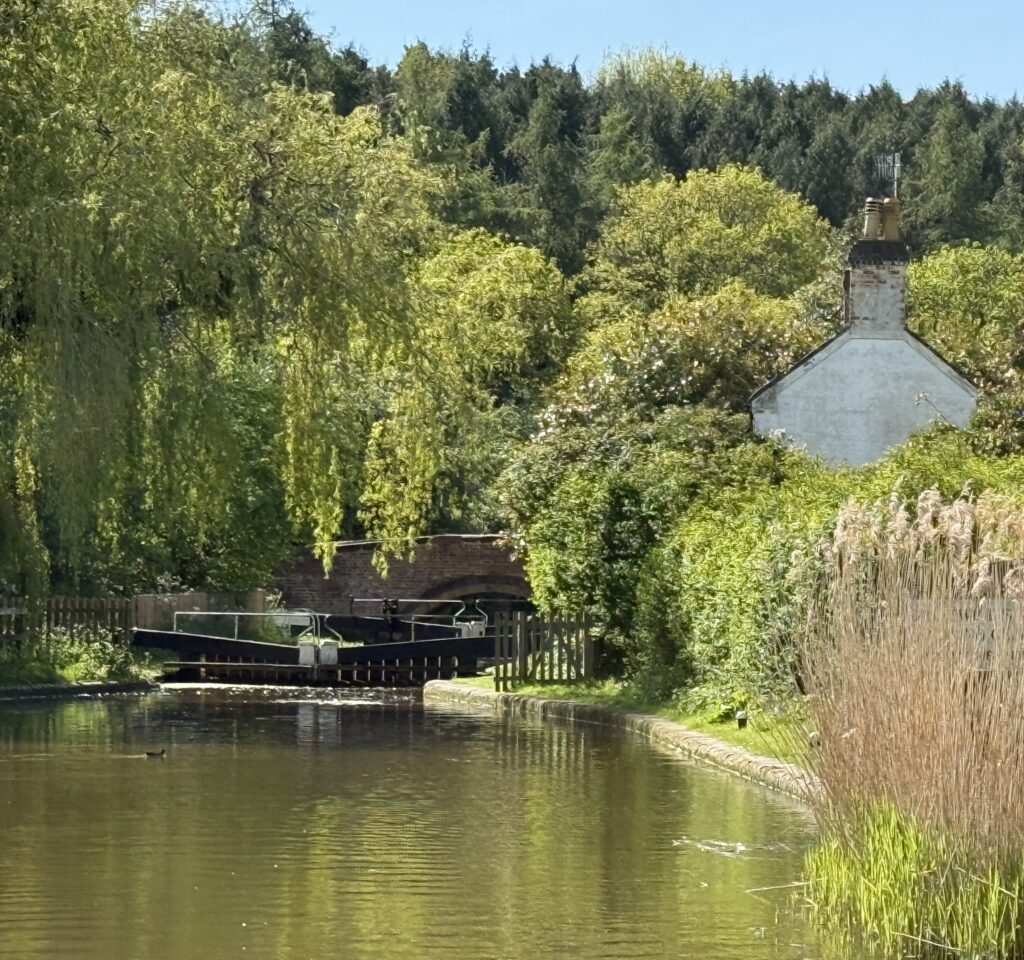
Beautiful Droitwich Barge Canal

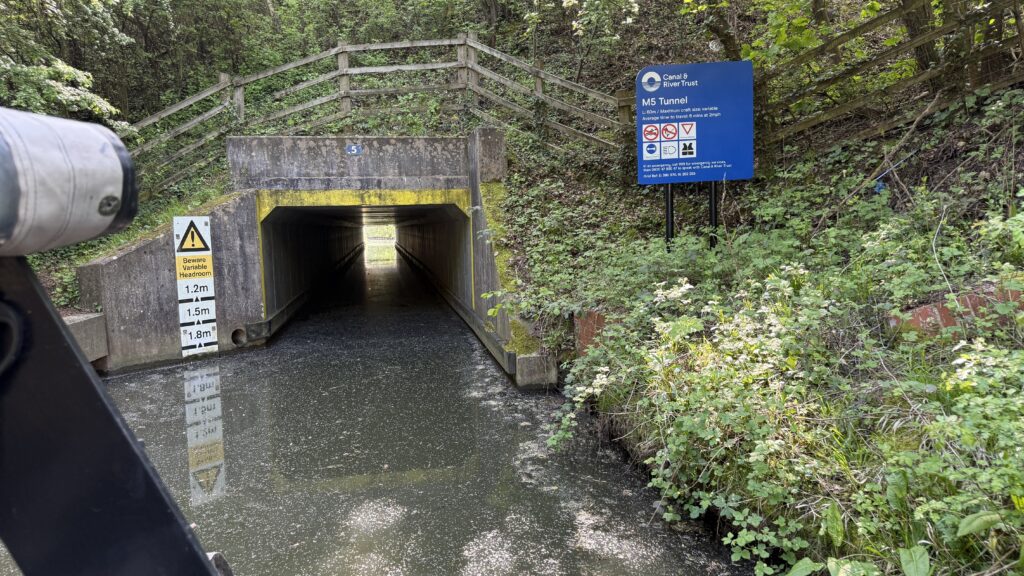
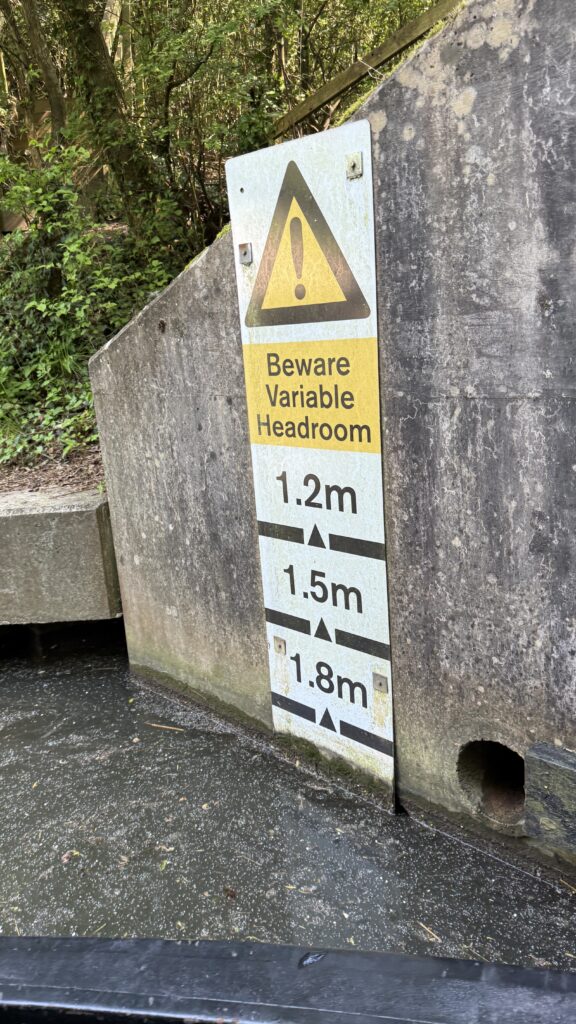
The new plan was to use the newly opened (10 years ago – but that’s very new in canal terms) Droitwich Barge and Droitwich Junction Canals to join up with the Worcester & Birmingham. The only worry (and it was a big one), would we fit through the new tunnel? This tunnel is actually a glorified culvert under the M5 that they enlarged to allow boats through. Legend has it that reinstating the original tunnel would have meant a local councillor losing his garage, so the culvert had to be used instead. The height limit on this tunnel varies, if it’s been raining the water level is higher and that makes the air draft shorter. We measured our boat from the water to the top of the cratch board in the bow and she’s about 190cm. We’d read the levels could vary between 180 and 200cm, so it was going to be tight and a bit of a gamble.

Approaching M5 tunnel
Marker indicating available air draft

After a night in Droitwich Basin, we took down the chimney and aerial but still needed to make the bow of the boat as low as possible by weighing it down so we filled up the water tank (that’s under the bow deck), moved loads of stuff to the front, including me (!!!) and headed off.

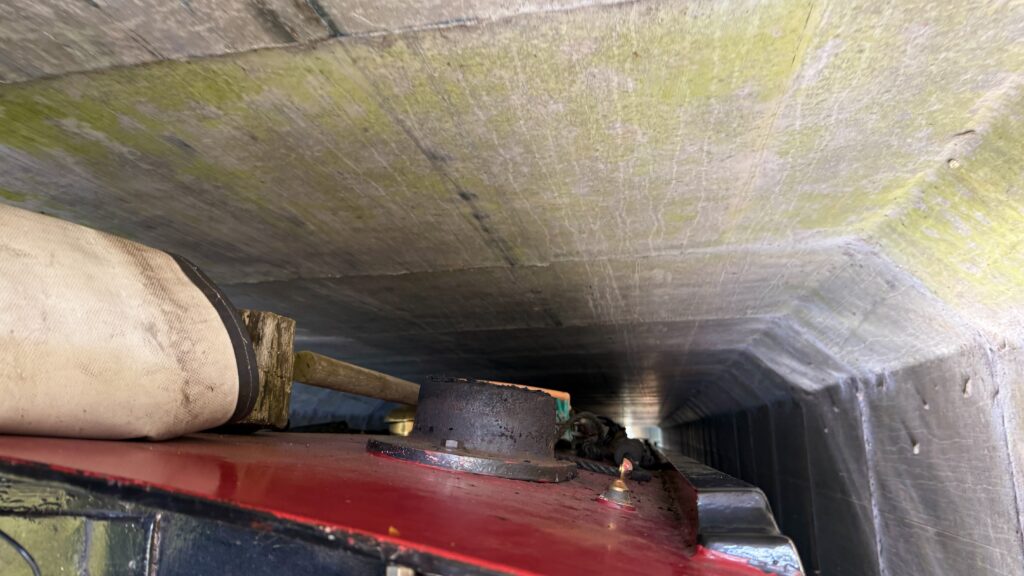
Tunnel under M5 Droitwich Canal

It was a close call, as you can see from the photos Ian had to crouch down at the stern and peer over the roof to steer, but we made it with a few centimetres to spare! You can see scuff marks on the roof of the tunnel that have been left by other boaters.

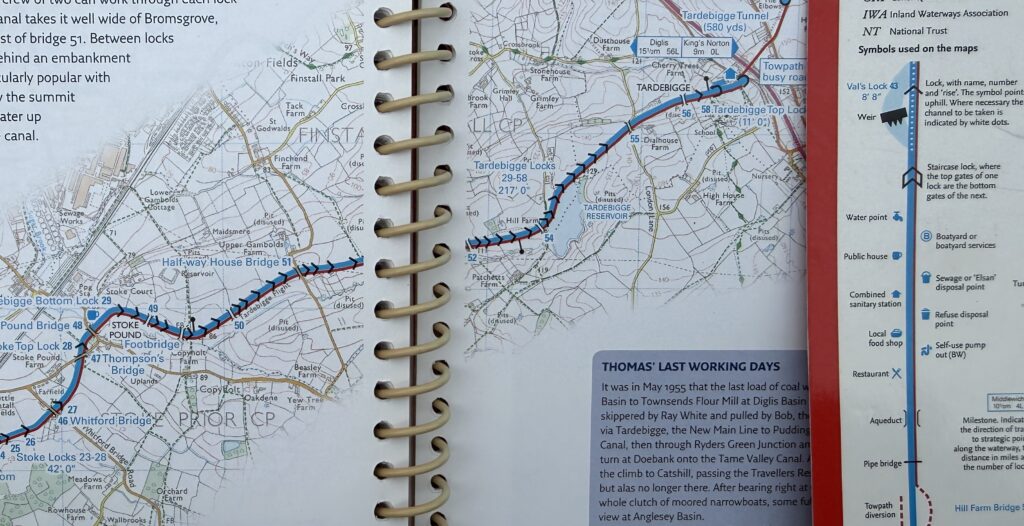
Image from Nicholson Guide Book

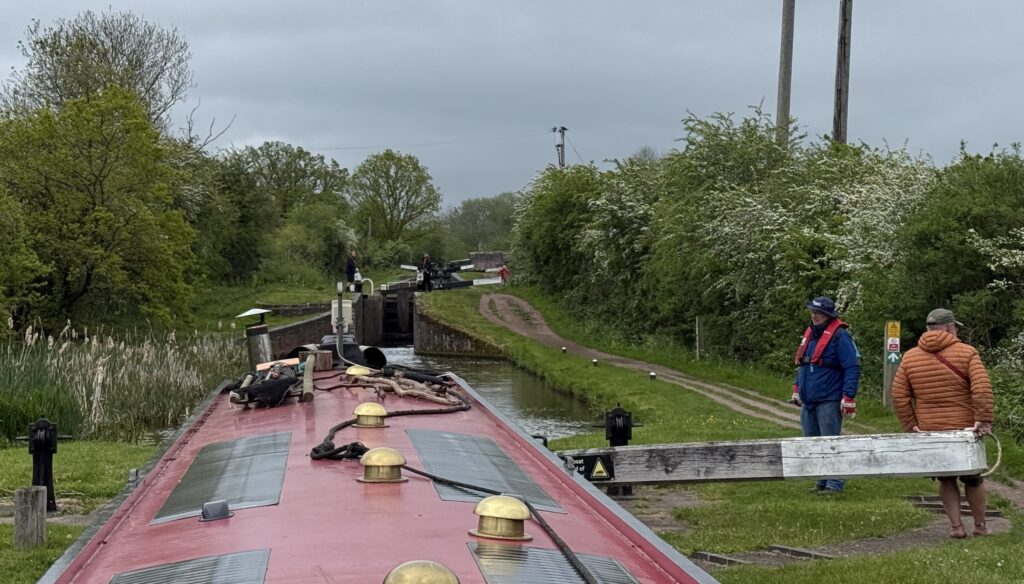
After a night celebrating not having to turn around, we focused on our next big obstacle; heading onto the Worcester & Birmingham and going up the 30 locks at Tardebigge, the longest flight of locks in the UK, climbing up 220 feet. We expected it to take about 5½ hours, so with lunch made and refreshments lined up; we hit the first lock at 8.30am. We’d been making steady progress when the glorious sight of a group of Canal & River Trust Volunteers appeared at the next lock. They helped us for the rest of the way and we completed the flight in 3¼hours. We were extremely grateful for their help.

Volunteers assisting our passage

As well as locks, the Worcester  and Birmingham has several tunnels. Tardebigge Tunnel was quite an eyeopener. This rock carved tunnel was surprisingly dry to cruise through. Most canal tunnels have been dug through soil and fully lined with bricks and tend to drip onto you as you pass through; this one didn’t drip as it had been cut through red sandstone with short sections of brick linings at the entrances. You can still see the chisel marks in the stone work; it makes me wonder if it’s easier or safer to build through solid rock or soil. And the short answer is…. rock is more labour intensive but safer as it’s generally self-supporting whereas digging through soil might be easier but it’s more dangerous due to the potential for collapses and flooding.

Sandstone face of  Tardebiggi Tunnel

Now we’re at Alvechurch, our first pitstop for this journey, Ian’s gone into Spring cleaning mode, and he’s just finished scrubbing the chimney and multifuel stove inside and out so the conversation went:
“What d’ye think?” Says he
“Looks amazing!” I reply
“Well, if you’re cold tonight, you can put a coat on coz you’re not lighting a fire!”
Bless him, he’s so proud of his boat, I’d better get my fluffy socks out.

Cutting north of Shortwood Tunnel

Van Time!

Blooming Bluebells at Caldicot Castle
Caldicot Castle

We’ve been getting to grips with the new van and exploring south Wales … again! Wales has more castles per square mile than any other country in Europe. There used to be over 600 and Caldicot is one of the 100 castles that are left (in one form or another!). So this trip has been a fascinating mix of stunning landscapes, dramatic scenery and gobsmacking history. The huge advantage of this vehicle has been its compact size making it easier to manoeuvre, and even reverse, when necessary, on the narrow twisting roads that many of these castles are on. 

The meeting house at Castell Henllys

In addition to the castles, there were over 760 Iron Age hill forts. We finally made it to Castell Henllys. It’s in Pembrokeshire (a favourite family camping destination) and I think we first spotted it when it was under reconstruction 30 years ago! It’s lovely to see how natural materials were used to create such huge organic structures that sit so beautifully in the landscape.


We walked to another iron age fort above Cwmcarn Forest which gave stunning views across the Bristol Channel. It was quite windy and Storm Dave appeared that night with winds gusting up to 50mph, it would certainly have rocked the boat, but I was getting seasick in the van. You can always tell when there’s been gale force winds on a campsite by the number of tents that you find in the campsite skip the following morning!

St Govan’s Chapel, Bosherston

View down the gully to St Govan’s

Another treat was a revisit to St Govan’s Chapel, originally home to a 5th or 6th-century hermit, St. Govan (or Covan), who reportedly settled here after escaping Irish pirates. There’s a rumour that the 52 steps descending to the chapel change in number, with locals claiming a different count when going down versus coming back up-you’d need to test this out for yourself as I didn’t hear about it until we were back at the top and I wasn’t going back down!!


Cardiff Castle

We explored Cardiff, the “City of Arcades” with seven glass roofed alleyways of shops, cafes, and bars that run like arteries through the city centre. It should also be called the city of castles as it has three within its boundaries. Cardiff Castle is the largest, and is stunning to look at. The Gothic Revival style rebuild from the 19th Century incorporates elements of the original four Roman forts and 11th century Norman motte and bailey. This creates what seems, at least from the outside, to be an Austrian styled masterpiece with a roman barracks theme park vibe, a little over the top but still impressive.!

Cardiff Bay
Memorial to Scott of the Antarctic  with Norwegian Church behind

Cardiff Bay held another surprise for us, it was the departure point for the ill-fated team on the expedition steam ship, Terra Nova. In 1910, this ship took Scott and his team to Antarctica to claim the South Pole, only for them to discover that the Norwegians had beaten them to it. Sadly they were caught in a snow storm and perished on their way back. Before leaving for the Antarctic, Scott declared Cardiff to be the ship’s home port following the huge generosity of the Welsh people. They supplied funds, 100 tons of steam coal, 300 tons of Patent fuel blocks and a huge Welsh flag that Scott struck into the ice on St David’s Day in 1911. There’s a sad irony that Scott’s memorial has been positioned next to the Norwegian Church (c1866) that overlooks the bay and, it gets worse. Nearby are sculptures celebrating the works of Cardiff born author Roald Dahl who was named by his Norwegian parents after the polar explorer Roald Amundsen who beat Captain Scott to the South Pole. This was the Dahl’s family place of worship and Roald was christened there in 1916.

Church of St Michael, Penbryn

We stayed on a campsite at Penbryn and Ian did a couple of coast path walks. The local Church of St Michael is on one of the headlands and known for its link to the saying “having the riot act read to you”, this happened in 1889 when local farmers were in uproar at the cost of the tithes (local church taxes), the 1714 Act of Parliament was read to them, and if they hadn’t dispersed the Act allowed them to be charged with criminal behaviour.

Partial ammonite
Devil’s Toenails


No visit to a coast known for fossils would be complete for me without a bit of fossil hunting. So Ian indulged me with a trip to the beach at Llantwit Major (the cafe has particularly good ice creams). It wasn’t the most successful trip but I was quite pleased with my finds, the Devil’s Toenails (molluscs) were left for someone else to find, but the rather large and heavy “pebble” came away with me to find a new home.

Llantwit Major

Time to go?

Heading into Gloucester Docks

We’ve been over-wintering on the Gloucester & Sharpness Canal. It’s our last week and we’re having one final cruise along its length before putting the boat into the marina while we go off on one of our van trips. When we come back in a few weeks, river levels permitting, we will be heading north out of the lock at Gloucester Docks, onto the River Severn up to Tewkesbury and back onto the main canal and river network.

This month has been tough; our dog Sammy suddenly became very poorly and sadly we had to take her to the vets for one last visit. She has practically grown up on this boat so not having her with us is very hard.


The stage is set!

Needing a change of scenery, we escaped for a few days and caught the train into London. On our first night we went to the Duchess Theatre in the West End to see the play called “The Play That Goes Wrong”. Ian was laughing from start to finish. It reminded him of his university days when he was the lighting and stage manager for the Theatre Society. Everything that could go wrong in a performance does go wrong in this one and he was in stitches.


The contrasting architecture of London


The next day we headed to Tower Hill to explore the city using a themed mystery guide which was both informative and good fun. Then it was a quick dash to Camden Market for Heather to go to her favourite boho/hippy clothing stall and acquire some very jazzy trousers before we zapped back across London to see some films in Leicester Square. Of course Heather went for the heart warming “Mother’s Pride” starring Martin Clunes and Ian headed for a sci-fi something that he’s still trying to work out!

The Tree Top Walk
Tree top view of the Temperate House


Our last day was spent at the UNESCO World Heritage site of Kew Gardens. I think we were both surprised by their size and diversity, the botanical collections contain over 50,000 living plants. Believe it or not, they employ more scientists than gardeners as the primary mission of Kew Gardens is “to understand and protect plants and fungi, for the wellbeing of people and the future of all life on Earth”

Inside the Palm House


We were lucky to get in to the Palm House as it’s about to be closed for five years for a complete refurbishment and they’ve already started the process of rehousing the plants. Some are to go to other botanical collections around the UK and some will be transferred to a  temporary structure, sadly a few will not be saved. So I think we should plan to revisit in five years and see how it all turns out.


Almost deserted lakes at Slimbridge
Kingfisher


Back on the canal, the weather is improving, and we did one more visit to WWT Slimbridge where we were quite surprised to see it almost empty of birdlife. The geese, lapwings and waders have all moved on to find nesting sites, so the main excitement was to see the pairs of kingfishers flying in and out of their burrows. They are so fast and colourful, it was amazing to watch but very difficult to photograph.


This truly is a canal for bird lovers. From swans to tits to numerous birds of prey, there’s always something to spy through the binoculars and you do see twitchers wandering along the towpath with their huge lenses.
As for the 16 miles of the G & S, we have enjoyed our winter here. The length of it has felt a bit claustrophobic for continuous cruisers like us who like to explore new places, but the well managed water levels, lack of locks, manned bridges and the ease of winding (turning) the boat has made it all very easy going.
There have been a few down-sides such as a lack of boat facilities but it’s been manageable with planning. Access to public transport is also poor, so we’ve had to either walk further or book an Uber to get to the train station. You can only stock up with food in Gloucester, and one day we did a “dash” to the shops and cruised the full length of the canal in 4 hours (yes, that’s a speedy 4mph!!).

Heading through Saul Junction

Overall, it has been a fascinating and safe base for the winter. We have loved our time here, enjoying the views and meeting friendly faces along the towpath and on the water. But our memories of the Gloucester and Sharpness will always be bitter-sweet.

Now we just have to hope, that when we come back at the end of April, the river is not in flood and we don’t meet any big boats on the narrow sections (we still have marks down the side of the boat from that close encounter!).

Mud, Chocolate & Ruddy Ducks!

Tewkesbury 10th Feb 2026 picture courtesy of Gloucestershire News

The tow paths are muddy puddles and upstream the rain has swollen the River Severn to the point it has surrounded the Abbey at Tewkesbury! I’m relieved that we are on the canal and not at the mercy of the flood waters. Some of the images on social media have been quite scary. When there have been gaps in the rain, we’ve managed to get off the boat and explore a little more of the local area.

The Bell Inn c1740 on The Green
The Green at Frampton-on-Severn

Frampton-on-Severn is a gorgeous village that has a green jewel at its heart. The village green is reputed to be the longest in the country. It is bordered by beautiful examples of 15th century buildings and magnificent Georgian mansions. Several of the oldest houses were rebuilt after a severe storm in 1560 at the start of the “Little Ice Age” which lasted for seventy years. The Frampton Estate has provided the backdrop for historical TV dramas such as Persuasion 1971 and Sanditon in 2019.

The cruck-framed Manor House
The Wool Barn c1560


Russell House c 1700s 
Beehive Cottage rebuilt after storm in c1560


The Top Shop House c1740

The village borders the Gloucester & Sharpness Canal. Near to Fretherne Swing Bridge is a mill that was built during World War I by the famous Cadbury family. It helped to meet the growing demand for a new, milkier chocolate bar that had been created towards the end of the 19th Century. This area of rural Gloucestershire was renowned for its dairy farming, but moving vast quantities of fresh milk was expensive and difficult. In 1904, when George Cadbury introduced the new formula that needed more milk, they decided to build the factory closer to the Gloucestershire dairies and this led to the brand name of Dairy Milk Chocolate.

The old Cadbury Factory at Frampton-on-Severn

Where the Staffordshire potteries used the Trent & Mersey Canal to transport clay and bone china, Cadburys used lighters and barges to bring sugar cane and cocoa beans from ports along the Bristol Channel upriver to Sharpness and along the canal to the factory at Frampton. There it was blended and pressed with local milk to make chocolate crumb. It was then loaded onto narrowboats to head north along the River Severn and onto the Worcester and Birmingham Canal to reach Cadbury’s Bournville factory in Birmingham roughly 70 miles (113km) away.

View of Slimbridge viewing tower

Another blast from the past, but on a personal level, was our visit to the wetland nature reserve at Slimbridge. It’s been fifty years (yes that is a ridiculous amount of time) since we both visited there from a summer scout camp at Tetbury. Ian was a brand new knobbly kneed Scout and I was the ten year old nightmare daughter of the Scout Leader. This time it was a short walk from Patch Bridge to the visitors centre, The only part that we could both recognise was the high viewing tower at the entrance. To say that this wetland reserve has changed is an understatement, it’s now a fabulous maze of walkways and hides overlooking a patchwork of pools and lakes.

Wetlands of Slimbridge
Andean Flamingos

We saw deceits of Lapwings, coils of wigeon, rafts of ruddy ducks, lamentations of swans and gaggles of geese! There were no murmurations of starlings but strangely there was a flamboyance of flamingos. They were bit smelly though as they were all hiding together in their heated accommodation. At teatime we went to see Tilly, the resident otter, chasing after her food, sadly she was on her own as she waits for a new companion to arrive at her holt.


  Tilly, short clawed Asian Otter
Teatime for Tilly


Talking of “wetland”, there’s currently 100 flood warnings in place across the UK due to the current blocked weather pattern causing endless rain. The River Severn is graded as dangerous and the lock at Tewkesbury, that we need to use to get on to the River Avon in April, is currently under water. For all those people who were praying for rain to keep the waterways navigation open last year, I think your prayers are being answered! I’m currently happy if I can find a stretch of towpath that isn’t a muddy swamp!

Webcam shot of Tewkesbury Lock to get onto the River Avon